🚦 Hanoi's AI cameras catch 2,555 speeding drivers in 25 days
In brief
- 🚦 Hanoi's AI camera system recorded 2,555 speeding vehicles from 1 to 25 November, the city's traffic police say.
- ⚡ 104 were 20 to 35 km/h too fast, one more than 35 km/h.
- 🛣️ The cameras also caught 77 cars driving in the emergency lane of an expressway.
- 👮 The recordings are the basis for police checks and penalties.
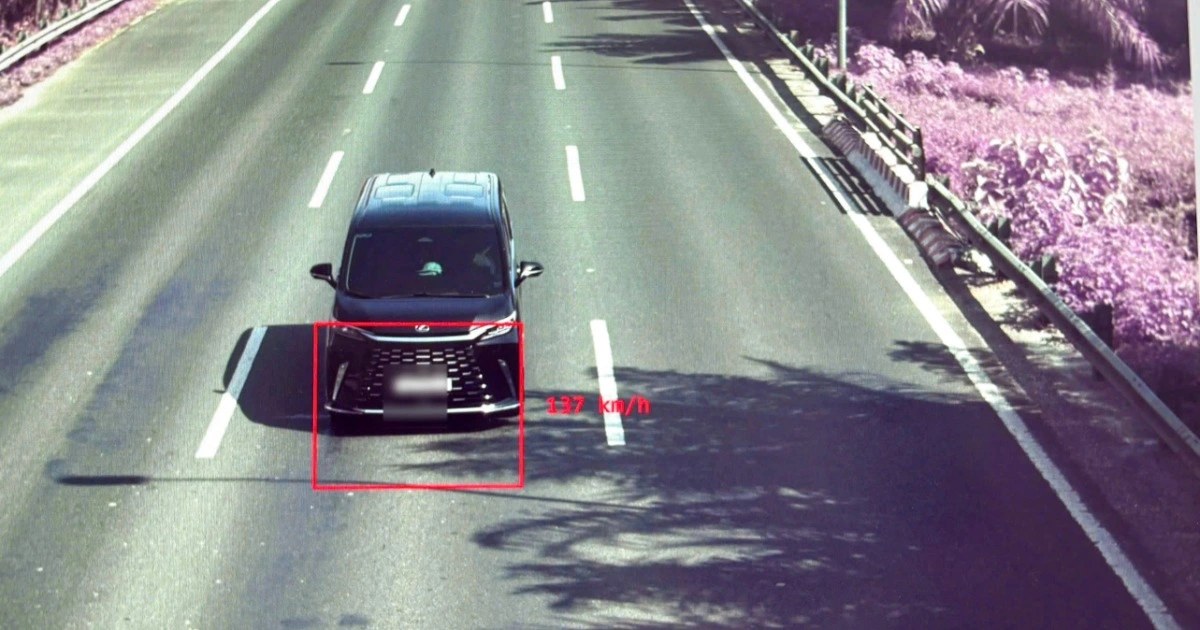
🚦 In Vietnam's capital Hanoi, the AI camera system for traffic monitoring recorded 2,555 speeding violations in 25 days. The city's traffic police reported the figure for 1 to 25 November, according to the newspaper Dân trí. ⚡ Nearly 1,230 vehicles were 5 to under 10 km/h too fast and more than 1,220 between 10 and 20 km/h. 104 exceeded the limit by more than 20 and up to 35 km/h, and one by more than 35 km/h. The cameras also detected 77 cars entering the emergency stopping lane on an expressway. 👮 The violations the AI records are the basis on which police verify and penalise the cases. The authority warns that speeding is one of the most dangerous causes of accidents.
**A system running since December 2025.** Hanoi has operated a traffic control centre with nearly 2,000 AI cameras since 13 December 2025. In its first three months the network recorded more than 19,300 violations, according to the city's government portal, mostly running red lights, not wearing helmets and not using seat belts. The authorities said then that all cases were fully reviewed and documented. The new figures show that the system now also delivers a large number of speeding cases. 📷
**More than fines.** The centre also controls traffic lights. By April it had optimised traffic flow at 188 intersections and set up 22 'green wave' corridors on major roads; flow at intersections rose by between 4 % and more than 18 %, the portal said. Since January, residents can complete procedures fully online through the iHanoi app. 🚥
**Why the police focus on speed.** The faster a vehicle travels, the less time the driver has to see and react to a sudden situation, the traffic police explain. Braking distances grow, impacts become harder and injuries more severe. A single slow reaction can cause a multi-vehicle crash. ⚠️
**Open questions.** The report gives no number of fines issued and no error rate for the detection. How many of the recorded cases are actually penalised after review by officers remains open.