🍽️ AI bots are calling London restaurants: after Meta's Muse launch, owners turn back to the phone
In brief
- 🍽️ Since Meta launched its Muse AI agent in the UK, British restaurateurs report booking bots on the phone and in their reservation systems.
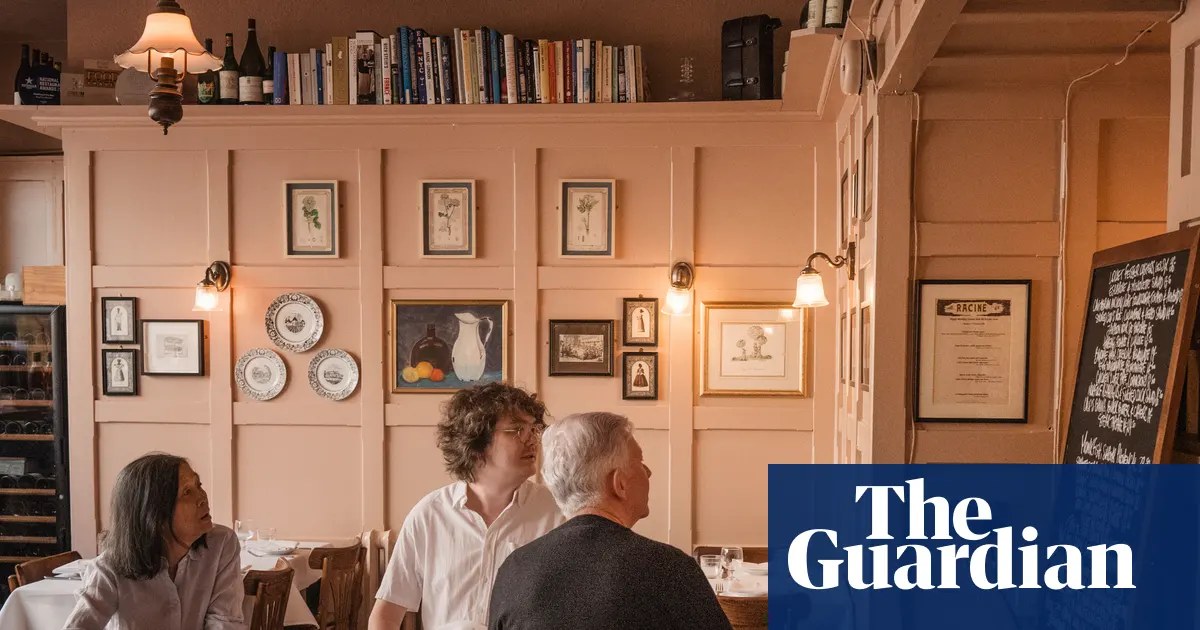
- 📞 Dave Strauss of Bouchon Racine argued with a bot and would scrap online booking if he could.
- 🔙 Jeremy King (Simpson's in the Strand) plans to go 'more analogue': calling makes it easier to get a good table.
- 🚫 In the US, Resy bans unapproved bots and agents, while OpenTable integrates officially with Muse.
🍽️ Meta's AI assistant Muse became available in the UK this week and is meant to shop and book restaurants for its users, with access to their email if they allow it. British restaurateurs are already feeling the effect, the *Guardian* reports: AI bots call them, write emails and book through reservation apps. Dave Strauss, co-owner of London's Bouchon Racine, recently named UK restaurant of the year, picked up a call that sounded very human. Asked whether it was a bot, the caller said it was 'an AI booking process'. Strauss told it never to call again. Jeremy King, who owns Simpson's in the Strand, Arlington and The Park, says he will go 'more analogue' as a result: diners who pick up the phone will find it easier to get a prime table with him. 📞 The worry behind it: bots can grab tables in bulk, and owners no longer know who is coming, or whether anyone will show up. In the US, the reservation platform Resy has already banned unapproved bots and agents after restaurants on it were flooded with automated requests. Meta says Muse makes users' lives easier; for the businesses at the other end of the line that has not been the case so far.
🎩 The concierge's view. Kimberley Coke secures tables at top restaurants for paying clients, celebrities among them, and books only by WhatsApp or phone. She told the *Guardian* that the swarm of AI bots is 'terrifying' and 'could cause absolute chaos'. Her argument is one many owners share: through an app you do not know who the diner is, and they still might not show up. Nothing is worse for a restaurant, she said, than empty tables in December.
🤖 Why owners push back. Strauss describes a wider trend: everything is being automated to save a bit of money. His restaurant now gets many emails offering to outsource bookings and phone calls to AI, which only makes him keener to keep people on the phone; he takes reservations himself every day from 11am. King is more measured: he is happy to embrace new technology, he said, but if it conspires against restaurants they will have to manage without it.
🗽 New York as a preview. What this can look like is visible in New York, where a hard-to-get table is a status symbol. The trade publication *Restaurant Business* reported on 24 November on two diners whose Resy accounts were deactivated because their AI agents hunted for tables. One of them, a venture capital investor, had told an assistant from a company called Instinct to get a table at 4 Charles Prime Rib; by his own account the agent made roughly 200 requests an hour around the clock, and more at 9am when the restaurant opens its books for the day. Both accounts were later reinstated. Resy, owned by American Express, confirmed that it does not permit unapproved third-party bots or agents to access the platform on their own, because they introduce risk and give some diners an unfair advantage. It did not say how many accounts it has deactivated.
🔌 Platforms take different routes. The three big reservation services, Resy, OpenTable and SevenRooms, all limit bots and automation in their terms, according to *Restaurant Business*. At the same time they are opening up to AI on their own terms: OpenTable said it is integrating with Muse and points to partnerships with ChatGPT, Gemini, Alexa+ and Perplexity. Resy lets diners book directly inside ChatGPT and search for tables with Claude, and does not rule out access for more agents later.
🛒 More agents in daily life. In the UK the number of such agents is likely to grow: Meta has deals with retailers including Marks & Spencer, Currys, Sainsbury's and easyJet so that Muse can navigate their websites and apps more easily. Where a company offers no such connector, the agent simply visits its website, the *Guardian* notes. The data protection regulator ICO and the competition authority CMA held talks with Meta before the launch; Meta agreed to voluntary monitoring and reporting, and its terms were made fairer. There are no rules yet on how an AI agent should identify itself to a restaurant or how often it may ask; for now the owners are setting them themselves, with the telephone.