🗣️ Ex-Anthropic researcher Coxon: "insane" that for-profit giants build AI, only politics can slow it
In brief
- 🗣️ Jacob Coxon, who quit Anthropic in September, tells AFP it is "insane" that corporations are developing AI.
- 📈 He spoke outside Anthropic's headquarters on its stock-market debut, where protesters demanded a ban on recursive self-improvement.
- ⚠️ His warning: research could be compressed from decades into months.
- 🏛️ Only politics can slow it, he says; he plans to donate his OpenAI stake.
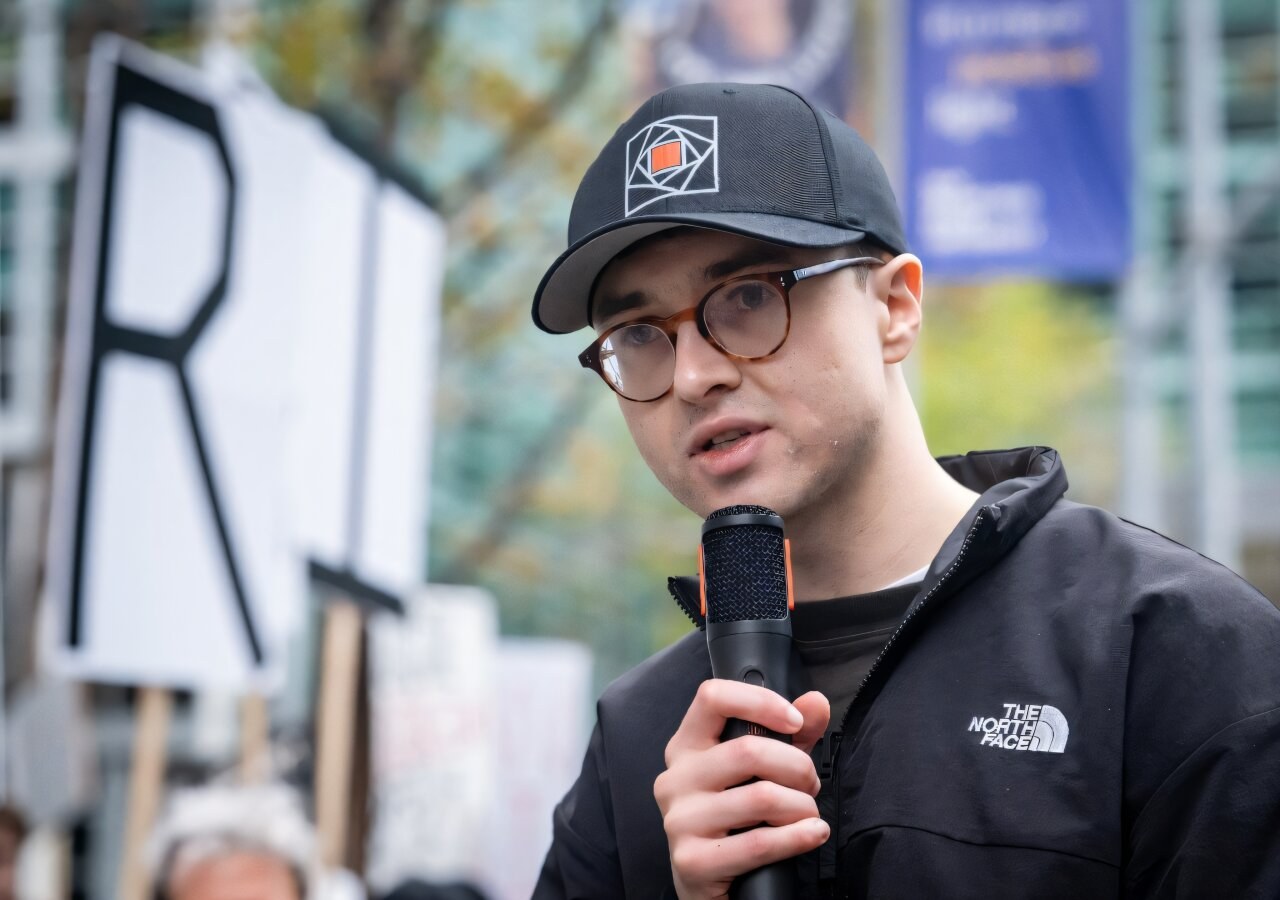
🗣️ British AI researcher Jacob Coxon, who quit Anthropic in September accusing it of gambling with lives, has told the news agency AFP it is "insane" that giant for-profit corporations are developing this powerful technology. He spoke on Thursday outside Anthropic's headquarters in San Francisco, on the day of its stock-market debut, where protesters called for a ban on models that can build new generations of themselves (recursive self-improvement, RSI). Coxon warns that this could compress decades of AI research into months and lead to highly dangerous systems by the end of 2027. Anthropic should refuse to do RSI, he says, and he accuses the company of planning to start as early as next year. The report does not include a response from Anthropic.
**The background.** The 27-year-old Briton spent three years at OpenAI working on model pretraining, the stage in which models absorb vast amounts of data, and then a few months at Anthropic. He announced his resignation on X on 8 September, accusing both companies of "racing straight to self-improving superintelligence". He wrote at the time that the people building AI earnestly believe it could kill us all by the end of the decade. The case made headlines worldwide.
**Numbers and money.** According to AFP, Anthropic was valued at $1.5 trillion in its IPO on Wednesday and ended its first day of trading at $1.3 trillion. OpenAI was valued at $1.25 trillion in a private funding round earlier this month, according to reports. Coxon left Anthropic before his shares fully vested but still holds equity in OpenAI, which could be worth a small fortune if the company goes public in 2027 as planned. At Stanford University on 9 November he called the stake "blood money" but also said "I like money, bro", drawing ridicule on social media; a few days later he committed to donating all of its value to AI safety organisations, without naming them.
**What he wants.** Coxon plans to work for a nonprofit, ideally on safety research, but believes there is not enough time for that. Only political action will slow the AI companies, he says: "It's a political problem now, not a technical problem." He supports the technology overall but urges critical thinking: chatbots are not the final form, and development is heading toward very capable, broad systems that will do all aspects of human labour. The media storm has taken a toll, he says, but he feels "fine" and is more scared about the state of the world than about his own life.