🔒 AI agents in the operating system: privacy regulators and rights groups warn of screen-level snooping
In brief
- 🔒 Privacy advocates warn that AI agents from Apple, Google and Microsoft can read content straight off the screen and so bypass encryption in apps.
- 🇬🇧 The UK's ICO warned of amplified risks; Meta agreed to voluntary monitoring and reporting for its Muse agent in the UK.
- 🇮🇪 Ireland's DPC is looking at the data of third parties that such agents read along.
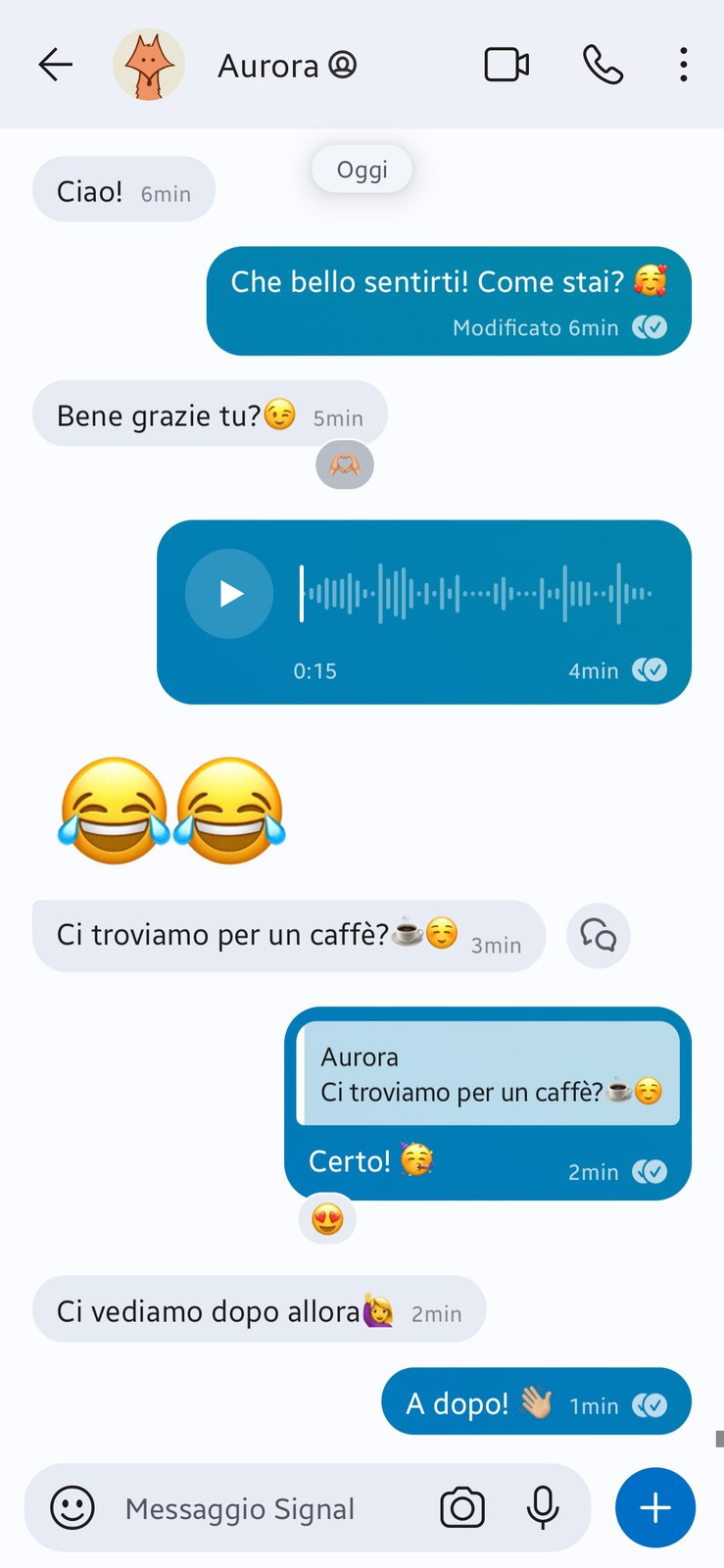
- 💬 Signal blocks screenshots and wants interfaces that let apps forbid AI access.
🔒 The deeper Apple, Google, Microsoft and others build AI agents into the operating systems of phones and computers, the louder privacy advocates and regulators warn, heise online reports, citing Politico. The core worry: an assistant that sees the screen can read messages, photos and e-mails after an app has decrypted them. End-to-end encryption then no longer protects against that access. ⚖️ The UK's Information Commissioner's Office warned with other UK regulators at the end of October that such products could amplify and accelerate risks to consumers. After Meta launched its AI agent Muse in Britain on Tuesday, the company committed to a voluntary monitoring and reporting process, according to the ICO. Ireland's Data Protection Commission, the lead EU regulator for many US tech firms, is examining the harvesting of third-party data, for example when an agent reads a friend's chats. In the EU such agents arrive more slowly because of strict rules. 💬 Signal has already reacted and blocks screenshots by default. Apple, Google and Microsoft declined to comment, according to the report.
🗣️ **What the critics say.** Itxaso Domínguez de Olazábal, policy advisor at the network European Digital Rights (EDRi), called for strict limits on the data AI agents can access, according to Politico. It is deeply troubling, she said, if operating system makers soon decide in effect how much privacy users have left. People who deliberately chose privacy-friendly services would be hit hardest: their choice means little if the system underneath reads along.
📱 Gus Hosein of Privacy International drew a comparison: even a thief with a stolen phone does not get access to the victim's whole digital life, yet AI agents tear down those existing protections. Udbhav Tiwari, Signal's head of strategy, told Politico that the possibility of billions of devices permanently spying on their users would make the Snowden revelations "look like a joke".
🏛️ **The fear of state access.** Tiwari worries that governments keen on surveillance could compel tech companies to hand over the data AI agents collect. They would no longer need to break encryption or plant spyware on devices: the data would already sit in plain text with the maker of the assistant.
🇮🇪 **Third-party data as a new problem.** Ireland's Data Protection Commissioner Niamh Sweeney stressed that uninvolved third parties have little chance to learn about it or object when somebody else's agent processes their messages. The DPC recently stopped Elon Musk's platform X from training AI models on third-party data from its chatbot Grok.
🛡️ **Signal's countermeasure.** On iOS 27 Signal blocks screenshots altogether; on Android the block applies as soon as an AI assistant tries to access the screen content. The messenger also asks operating system makers for binding interfaces through which an app can refuse AI processing of its content. Whether the makers will agree is open: Apple, Google and Microsoft would not comment.
🌍 **Different speeds.** In many countries OS-level AI agents are already rolling out. In the EU it is slower because of the rules for digital markets and the General Data Protection Regulation. Meta says Muse was built to be secure from the ground up and that it is in constructive talks with the regulators.