🛡️ South Korea activates emergency response against AI-powered hacking as data breaches double
In brief
- 🚨 South Korea's Personal Information Protection Commission activates an emergency response system against a wave of data breaches.
- 📈 It received 1,019 breach reports from January to October, 2.3 times the 447 of all last year.
- 🤖 AI automates attacks and lowers the barriers so that non-experts can hack, the regulator says.
- 🔍 From December: three months of intensive checks on public bodies and emergency inspections of high-risk firms.
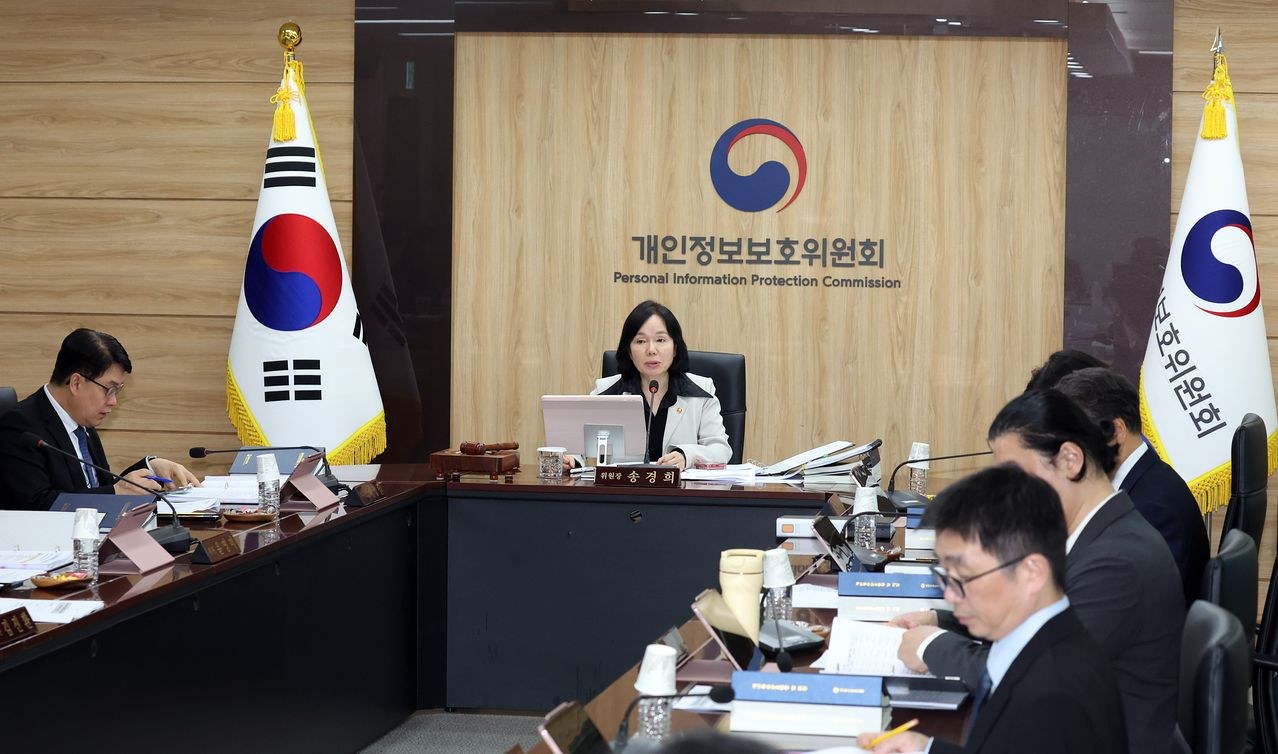
🛡️ South Korea's Personal Information Protection Commission (PIPC) activated an emergency response system on November 27. The reason is a wave of data breaches: from January to October 2026 it received 1,019 breach reports, more than twice the 447 filed in all of 2025. Victims this year include Samsung Securities, the crypto exchange Bithumb, Korea Investment Savings Bank, Korea Electric Power Corp. and the cosmetics retailer CJ Olive Young. 🤖 The regulator partly blames artificial intelligence: AI lets attackers automate and refine attacks at much larger scale, faster and more cheaply than before, and lowers the technical barriers so far that people without expertise can hack. 🔍 The PIPC will share information more quickly with ministries and the National Intelligence Service. From December, ministries and regional governments are to run emergency inspection teams headed by their deputy chiefs for three months; emergency inspections are planned at companies where a breach would have particularly wide consequences. Preventable breaches are to be punished strictly.
📊 **Where the breaches come from.** Of the 1,019 reports, 271 came from the public sector and 748 from the private sector, where small and medium-sized firms filed the most, followed by mid-sized companies, small business owners and large corporations. In the private sector, hacking was the main cause. Attackers most often exploited inadequate access controls and disclosure settings, followed by manipulated application programming interfaces (APIs) and authentication bypasses. The PIPC says cases in which attackers use stolen accounts or access keys to act with legitimate privileges rose sharply and now occur about as often as attacks on classic web flaws such as SQL injection. Breaches also came through contractors' servers, unused APIs and abandoned test servers.
🏛️ **In the public sector,** human error was more common: documents with personal data sent to the wrong recipients, or data posted on public bulletin boards. Recently, though, hacking has been rising there too, a commission official said.
🧰 **What will be checked.** Through the council of corporate chief privacy officers, the PIPC will circulate priority checks: weaknesses in internet-facing systems, multi-factor authentication for administrator accounts, unused accounts and APIs, and contractors' access rights. It will also set up a technical support system and help ministries inspect on site, because a shortage of specialists has left them relying on written or outsourced checks.
⚖️ **Penalties and incentives.** Companies with adequate safeguards are to receive reduced fines, while preventable breaches will be punished strictly. The commission wants to add early threat sharing and prevention to a system that has focused on investigations and sanctions after an incident. It has not put a figure on how many breaches were actually carried out with AI tools.