🛡️ Germany's cyber agency warns cheap AI agents could unleash an avalanche of attacks
In brief
- 🛡️ Germany's BSI sees the cyber threat sharpen markedly again because of AI attack toolkits such as Artex, CAIRN and PentAGI.
- 🤖 They direct AI agents that attack targets largely on their own, even with freely available models.
- 💶 Frontier models are not needed, so the agency expects far wider use.
- 🧰 BSI advice: put basic security in place now, write emergency plans and rehearse them.
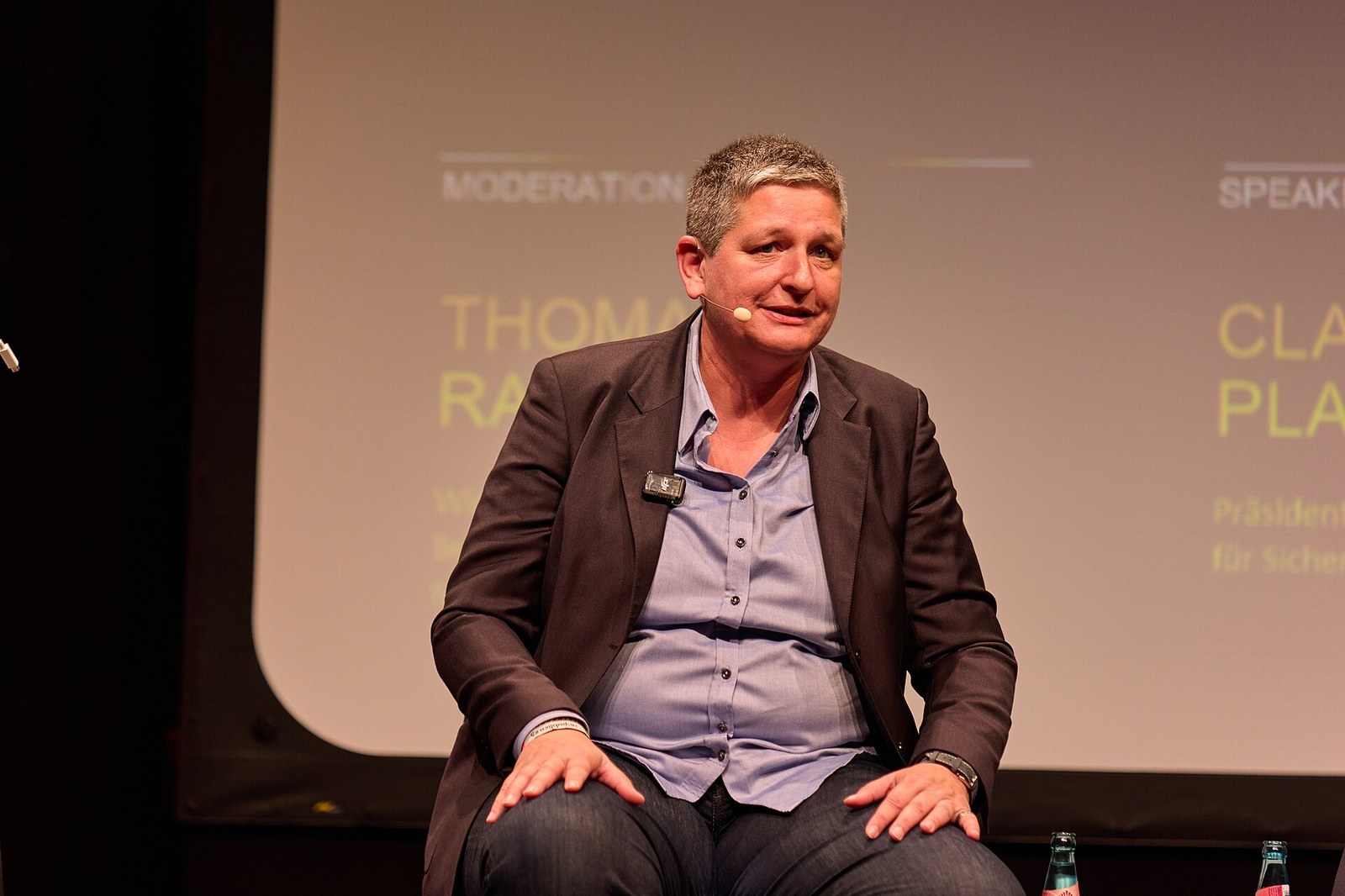
🛡️ Germany's Federal Office for Information Security (BSI) warned on November 26 about software toolkits such as Artex, CAIRN and PentAGI. These so-called agentic offensive frameworks coordinate AI agents and largely automate cyberattacks. They run on models of the operator's choice, including freely available open-weight models, and according to the BSI they need no access to current frontier models. 💶 That lowers costs and allows much wider spread. The agency says it examined and confirmed these abilities through its work in the AI Safety and Security Institute Germany. BSI President Claudia Plattner said that if such autonomous attacks are available at bargain prices, we may have to prepare for an avalanche of new cyberattacks. 🧰 Public bodies, companies and organisations should urgently put the basics of cybersecurity in place. Those still working on them should start an immediate programme that begins with incident response and the easiest routes of attack.
🔁 **How the tools work.** According to the agency's statement, the frameworks can use common penetration testing tools, programs made for authorised security tests, to find and exploit weaknesses. Several phases of an attack run automatically. The agents adjust their approach themselves, for example after error messages, and try many known techniques at machine speed. The German tech news site [heise](https://www.heise.de/news/Kuenstliche-Intelligenz-als-Angreifer-Eine-neue-Aera-hat-begonnen-11539545.html) describes the principle like this: a person sets the target and a few hints, then swarms of language model agents plan, act and evaluate in a loop until the goal is reached or the person stops it.
📅 **How new this is.** Security researcher Florian Roth of [Nextron Systems](https://www.nextron-systems.com/) told an online round hosted by heise security that such attacks gathered pace in August and September, and spoke of a new era. The report cites attacks on hundreds of online shops using the Cairn framework, uncovered by Gambit Security.
🇪🇺 The European Commission was affected too. According to [The Record](https://therecord.media/european-commission-confirms-cyberattack-using-ai), it confirmed on November 19 an "AI-generated cyber campaign" whose first signs were detected on October 22. The Commission did not name a tool. Politico first reported that the EU's emergency response team CERT-EU had identified Artex. Personnel systems were reportedly disrupted for more than 10 days. The Record also reports that the FBI had warned of intrusions that in some cases went from initial targeting to privileged access in under three hours.
🔬 **A look at the code.** The security company [Elastic](https://www.elastic.co/security-labs/threat-command/agentic-offensive-frameworks-detection-artex) read the source code of five frameworks, including Artex, Cairn and PentAGI. Its finding: by default, none of them enforces in code that an attack is authorised. The tools also change quickly. Elastic therefore argues that detection aimed at behaviour, such as access to credentials or remote execution of commands, lasts longer than clues such as sender addresses.
🧱 **What defenders can do.** Roth recommends "defensive minimalism": whoever switches on a feature should be able to explain why it is worth defending for the whole life of the service. He names the smallest possible attack surface, multi-factor authentication everywhere and separated network segments so that intruders cannot spread sideways. There is no convenient solution, he said. Jürgen Schmidt, head of heise security, suggested taking vulnerable systems out of the line of fire over the holidays where possible. According to heise, large groups are not the only targets, and small and medium-sized firms should deal with the threat soon.
Sources
- BSI: Offensive agentische KI verschärft Bedrohungslage (Bundesamt für Sicherheit in der Informationstechnik)
- Agentic offensive frameworks: Detecting ARTEX and 4 more (Elastic Security Labs)
- Künstliche Intelligenz als Angreifer: „Eine neue Ära hat begonnen“ (heise online)
- European Commission confirms cyberattack, says hackers used AI tool (The Record)