☎️ "ChatGPT told me to call you": French poison control centres strained by chatbot advice
In brief
- ☎️ Since the summer far more people in France call poison control because a chatbot told them to.
- 📈 A Toulouse doctor reports calls doubling or tripling; Bordeaux counts 42 percent more since July.
- ⏱️ Calls take longer because worried callers need convincing, and real emergencies wait.
- 💶 The association of poison control centres asks the health ministry for 2 million euros a year.
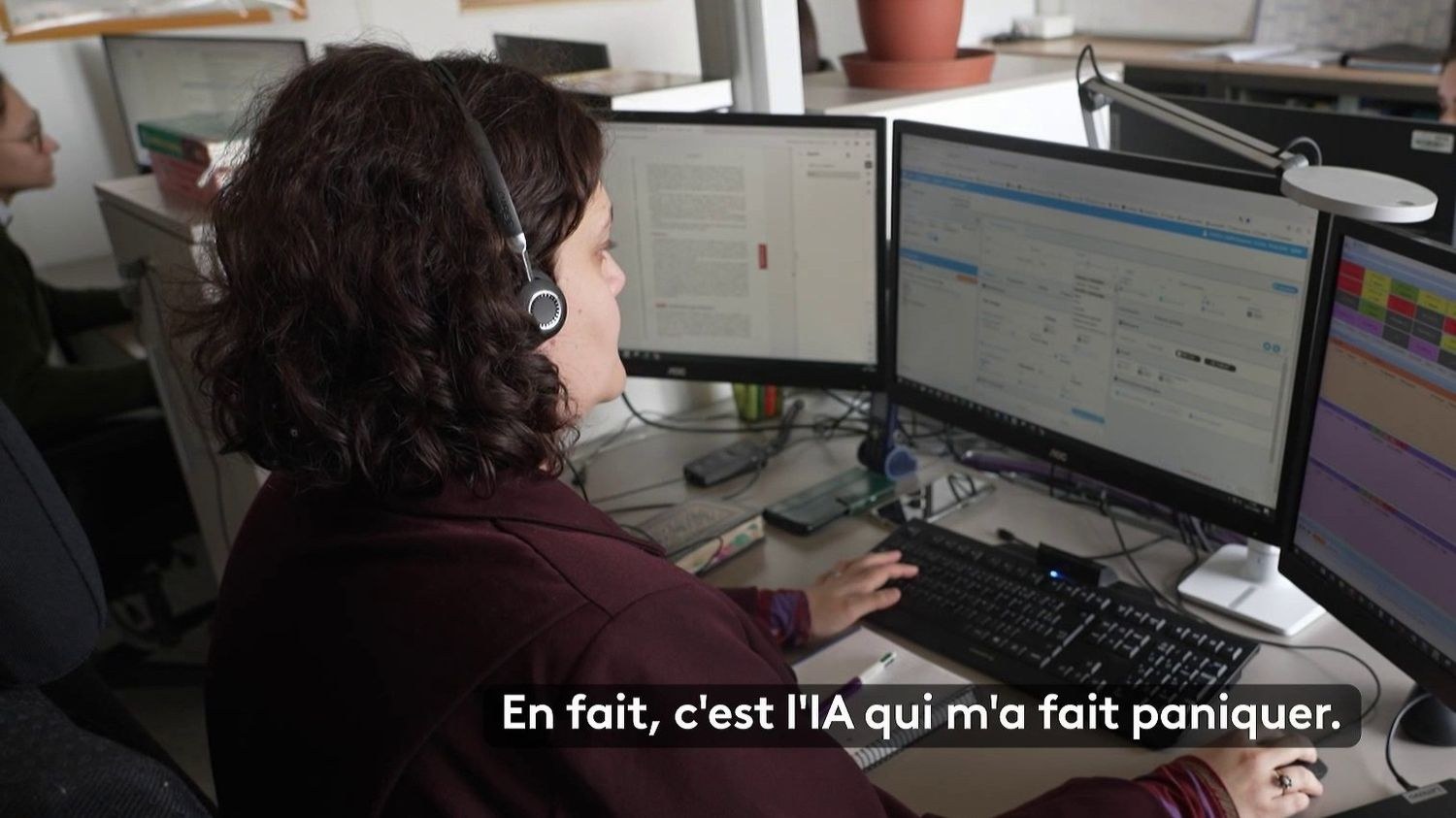
☎️ French poison control centres have been flooded since the summer with calls that have nothing to do with poisoning. Many callers say an AI chatbot such as ChatGPT told them to call "just in case". That is the finding of a report by the broadcaster France 2 aired on November 26. A doctor at the poison control centre of Toulouse University Hospital has seen calls double or even triple since the summer, and the Bordeaux centre has counted 42 percent more since July. People ask whether they can eat food whose cold chain was broken or products past their date, questions the doctors say are not toxicology at all. 📈 Because the AI had worried them first, the calls also last longer. Toxicologists in Bordeaux warn that the most serious cases are treated later as a result. The association of French poison control centres is asking the health ministry for two million euros a year to cope with the extra load. For harmless questions, they say, the pharmacy is the better first stop.
🧪 **The broadcaster's own test.** France Télévisions tried the chatbots itself: for a baby bottle that had been made up with the wrong dose, the AI first reassured the parents that they need not blame themselves and then still pointed them to a doctor or a poison control centre, although the baby seemed fine. That is exactly the pattern the doctors describe: the systems recommend poison control at the slightest doubt, even when there is no reason for it. Typical requests, according to the Toulouse doctor, include whether a treatment prescribed by a general practitioner can be trusted or whether out-of-date food is still safe to eat.
⏱️ **More calls, and longer ones.** Magali Labadie, toxicologist and head of the poison control centre at Bordeaux University Hospital, told France 2 the problem is twofold: people do not only call more often, they also do not understand why staff reassure them when the AI had alarmed them. The team has to justify itself and explain at length. "Not only are there more calls, they are longer," she said, and so the centre is quickly overwhelmed.
🚑 **The risk for real emergencies.** Her colleague Coralie Braganca, also a toxicologist in Bordeaux, sees a health risk for the whole population: the centres' job is the toxicological emergency, and the extra calls delay care for the most serious patients. France has eight regional poison control centres, and according to France 2 the problem affects all of them.
💊 **Where to turn instead.** A pharmacist in the report offers a simple rule: for bleach or other toxic products, the first reflex is the poison control centre. For out-of-date food or something that "does not look right", call or visit the pharmacy first. The association of the centres is asking the health ministry for two million euros a year to deal with the overload; the report does not mention a reply from the ministry.
🇧🇪 **Belgium tells a different story.** The Belgian Poison Centre had reported in March that more and more callers had consulted an AI first. Its spokesman Patrick De Cock called the platforms' referrals "sometimes relevant" at the time, but also cited cases with no risk of poisoning at all, such as taking two aspirins instead of one. Unlike its French colleagues, the Belgian centre saw the rising number of pure information calls as rather positive, because it keeps the emergency line free for real emergencies. The contrast suggests the impact also depends on how a service is organised and staffed.
🤖 **Why the chatbots behave this way.** The report quotes no statement from OpenAI or other providers. The dilemma is plain, though: a chatbot that prefers to refer people to experts when in doubt protects the individual user from a wrong call, but shifts the load onto services built for emergencies.