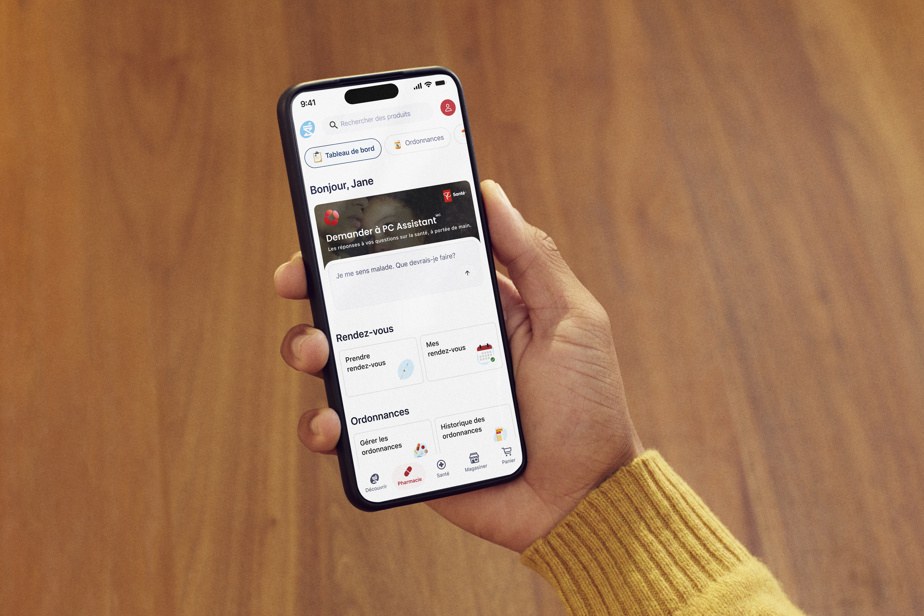
🩺 Loblaw's PC Health launches PC Assistant, a free AI agent for health questions in Canada
In brief
- 🩺 PC Assistant is a conversational AI agent from Loblaw's PC Health, the company behind the Pharmaprix pharmacy network.
- Free on the PC Health website or app, no registration; French and English.
- Based on more than 1,000 validated Canadian clinical sources, per Loblaw; it is meant to orient users, not diagnose.
- Over 4 million questions by 24 November, more than 85% about navigating the health system, per the company.
🩺 Loblaw's PC Health platform has launched PC Assistant, a free conversational AI agent that is meant to help Canadians, and Quebecers in particular, understand health concerns and find their way in the health system, reports La Presse. It runs on the PC Health website or app without registration. According to Loblaw's release it draws on more than 1,000 validated Canadian clinical sources and was developed with an advisory committee on clinical AI that includes Canadian health professionals. The Quebec version has been available since the start of November, after a launch in the rest of Canada in early autumn.
**What it does and does not do.** Nabil Chikh, senior vice president of pharmacy at Pharmaprix, told La Presse the aim is not to replace health professionals and certainly not to diagnose. It should help with access to first-line care, inform people about common health issues and explain their options. He compared it to Quebec's 811 health line, which remains essential: PC Assistant cannot go as far as a clinical nurse, but can answer basic health questions and indicate which professional to consult and when. The article contrasts it with general chatbots such as ChatGPT, Gemini and Claude, which were not trained for the Quebec context and give no certainty about the quality of their answers.
🔒 **Data and use so far.** Loblaw says users' conversations about their health are kept in Canada and protected under Canadian privacy law. As of 24 November, according to company data, more than 4 million questions had been asked, over 85 percent of them about orientation in the health system and access to care, and about 25 percent of users come back. The tool works in French and English; more languages are planned, and updates are to follow changes in the health system and scientific knowledge. Chikh said the point is reliable information on which people can base decisions. These figures and the quality claims come from Loblaw and are not independently checked.