🇸🇬 Singapore consults local firms after the US tightens rules on Nvidia AI chips
In brief
- 🇸🇬 Singapore's deputy prime minister Gan Kim Yong says the government is talking to businesses about tighter US export controls on Nvidia AI chips.
- ❓ He could not confirm reports that Nvidia halted server shipments to Singapore, Malaysia, Thailand and Indonesia.
- 📉 Fitch Ratings expects data-centre investment across Asia-Pacific to slow and become more selective.
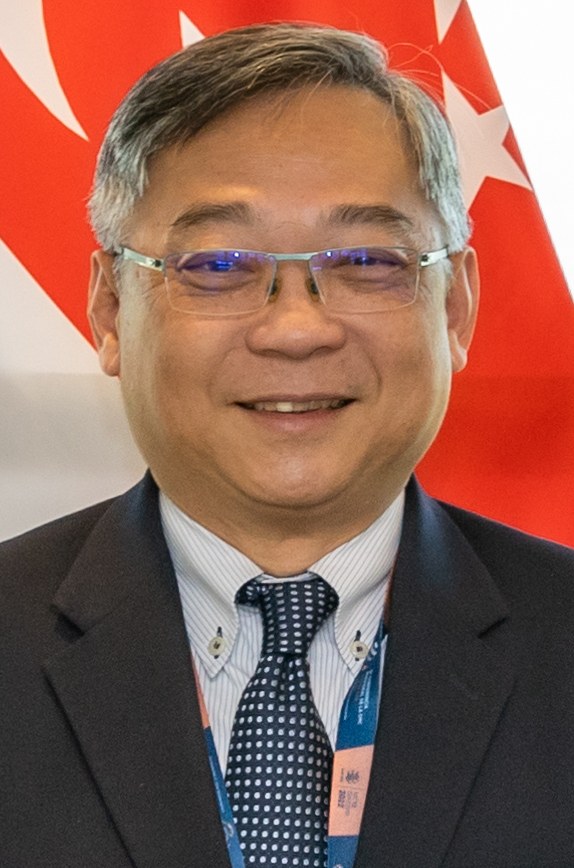
🇸🇬 Singapore is responding to the new US rules on AI chips: the government is engaging local businesses to see how the measures affect them, deputy prime minister Gan Kim Yong told a summit in Singapore on Friday, according to the news agency AFP. He could not confirm that Nvidia has halted server shipments to four Southeast Asian countries. 🖥️ The Financial Times and other outlets reported on Thursday, citing sources, that Nvidia had told manufacturing partners to stop shipping servers with its chips to buyers in Malaysia, Singapore, Thailand and Indonesia. The halt could be temporary, the reports said, while data-centre operators work out how to obtain a newly required US licence. 📉 Behind it is a tightening of US export controls last week. It targets alleged chip smuggling to China and Chinese companies that rent computing power from data centres in third countries, often in Southeast Asia. Fitch Ratings warns that data-centre investment across Asia-Pacific will slow and become more selective as a result.
🗣️ **What Gan said.** "We are in the process of engaging our businesses, to reach out to them to see how this impacts their businesses," AFP quotes the deputy prime minister and trade minister as saying. Shortly after the US rules were announced, Singapore's ministries for digital development and for trade and industry had said in a joint statement that they were studying the details, engaging affected companies and talking to US authorities about "trusted access" for Singapore companies. Singapore does not condone companies using their association with the country to circumvent the laws of other countries, including export controls, the statement said.
📜 **What the new rules require.** As AFP describes them, data centres anywhere in the world will need a US licence to provide large volumes of computing power from advanced chips to companies headquartered in China, Macau or other countries under US arms embargoes. Licences are also needed to ship advanced chips to Singapore, Malaysia, Thailand, Indonesia and Brazil, countries the US Commerce Department says present a "higher-than-normal risk of diversion". Since 2022 the US has restricted exports of Nvidia's leading AI chips to China on national security grounds.
🕵️ **The Megaspeed scandal.** The tightening follows a scandal around Nvidia. After reports of an affair between Jensen Huang and Alice Huang, a former executive of the Singapore-based company Megaspeed, Huang was forced out as Nvidia's chief executive and reinstated last Sunday, according to AFP. Megaspeed is under investigation over the alleged transfer of Nvidia chips to China in circumvention of US rules. Some US officials reportedly suspect Alice Huang, who is not related to Jensen Huang, of spying for Beijing. Megaspeed has said she left the company more than a year ago.
🏗️ **What is at stake.** Large investments by US and Chinese tech giants have driven a data-centre building boom in Southeast Asia, especially in the countries around Singapore. Southeast Asian governments face a more difficult balancing act between keeping access to advanced US technology and attracting investment from Chinese tech companies, Fitch Ratings analysts wrote in a note on Thursday. How long the reported shipment halt will last remains open.