🏛️ Congress wants to regulate AI, but committee turf fights are slowing it down
In brief
- 🏛️ Lawmakers of both parties want AI rules, but slow legislating and committee turf battles stand in the way, the New York Times reports.
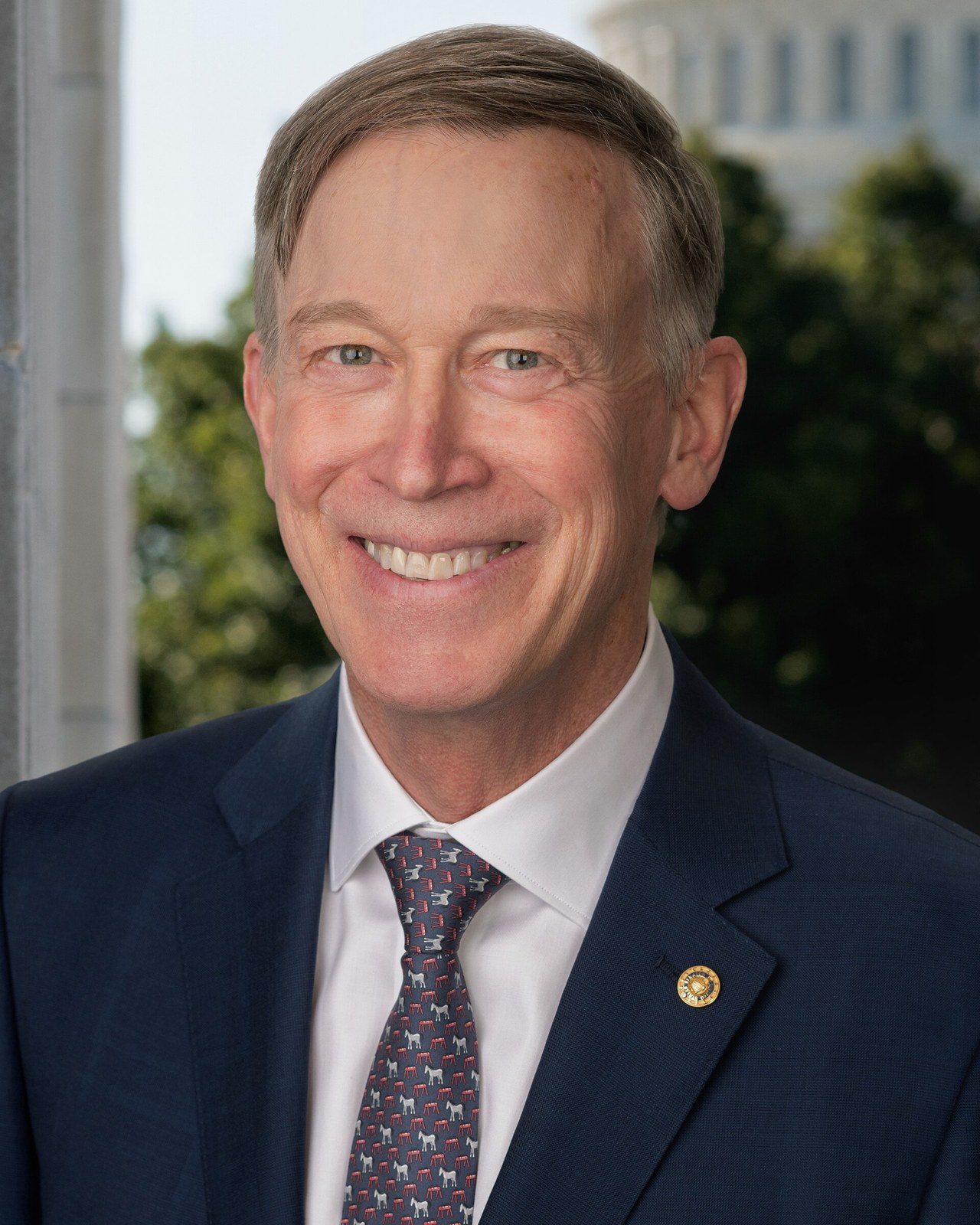
- 🗳️ Senator John Hickenlooper asks the candidates for Senate Democratic leader for a day-one AI safety plan and a dedicated AI committee.
- 📜 In the House, Lori Trahan released a revised FRONTIER Act with an Office of AI Security at the Commerce Department.
- ⚖️ Ted Cruz rejects taking the issue away from existing committees.
🏛️ Both parties in the US Congress increasingly want to regulate artificial intelligence, but the road to a law is long. According to a New York Times report of November 26, the slow pace of legislating and turf battles between committees stand in the way: several committees in the Senate and House claim the issue, and months of hearings have produced no consensus bill. 🗳️ In the Senate, where Democrats take the majority in January, Colorado Senator John Hickenlooper wrote to both candidates for Democratic leader, Chuck Schumer and Chris Van Hollen, that the next majority leader needs a "day one plan for responsible regulation." He proposes a select committee on AI. Van Hollen backs the idea; Republican Ted Cruz, chair of the Commerce Committee, says it "makes no sense." 📜 In the House, Democrat Lori Trahan presented a revised version of her FRONTIER Act on November 19. It would create an Office of AI Security at the Commerce Department, independent evaluators for large AI developers and reporting duties that include near misses. Full bill text is to follow in the coming weeks.
🧩 **Why jurisdiction is so contested.** AI touches commerce, defence, labour, health, finance and justice, and each of these has its own committees and chairs in both chambers. A select committee would bundle the issue but take power from existing committees. Ron Wyden, the incoming chair of the Finance Committee, wants to "see the specifics," AP reported; Bernie Sanders, expected to chair the Health, Education, Labor and Pensions Committee, did not immediately endorse the idea but said Congress has been "way, way, way behind" in protecting Americans. Cruz said he hopes both parties can find "common ground on addressing catastrophic risk" in the next Congress.
🗳️ **AI in the leadership race.** Senate Democrats choose their leader in a closed-door vote on December 1; Schumer is favoured. Hickenlooper has withheld an endorsement. His priorities, according to AP, are robust third-party evaluation requirements, national security risks and clear rules to hold AI companies accountable. Van Hollen said he favours a joint committee of both chambers. A Schumer spokeswoman said he is working with the incoming committee chairs to "develop an ambitious AI agenda." According to the industry newsletter AI Weekly, Arizona Senator Ruben Gallego filed a resolution in September for a select committee on AI with power to subpoena company executives.
📜 **What the new FRONTIER Act contains.** Trahan's section-by-section summary lists several changes: stronger state laws are preserved, weaker ones are replaced by a federal floor. Independent verification organisations get guaranteed embedded access to developers and can be assigned by the government. Automated AI research and development, including recursive self-improvement, becomes its own category of catastrophic risk. The government can order corrective action, backed by civil penalties and injunctions. Reportable incidents include near misses, models deceiving their developers and incidents affecting critical infrastructure. According to AI Weekly, very large developers with more than $5 billion in annual revenue would have to use third-party evaluators. Trahan introduced the original bill in July with Republican Jay Obernolte. "The American people are fed up with the biggest AI companies writing their own rules and grading their own homework," Trahan said.
⚠️ **Hurdles beyond Congress.** President Donald Trump, who holds the veto, has repeatedly said little AI regulation is needed and rescinded his predecessor's AI executive order soon after returning to office. Schumer's bipartisan working group had already recommended in 2024 spending at least $32 billion over three years on AI development and safeguards; no comprehensive law followed.
Sources
- Congress AI Regulation Push Stalls on Committee Turf Fights (AI Weekly)
- Senator proposes select committee on AI as Democrats hope to move quickly to regulate it (KSTP (The Associated Press))
- Bipartisan efforts in Congress to regulate AI are gaining momentum, but they face an uphill climb (New York Times) (Techmeme)
- Trahan Releases Updated FRONTIER Act Section-by-Section (U.S. Representative Lori Trahan)