🐦 Synature raises money for AI that identifies animal species by their calls
In brief
- 💶 The Lausanne company reports the first close of a CHF 5 million (€5.48 million) seed round.
- 🎙️ Solar-powered microphones record outdoors; AI identifies more than 15,000 species, the firm says.
- 🏭 Plans include industrial production at under half the unit cost and new acoustic models.
EPFL spin-off [Synature](https://synature.ai/) has announced the first close of its seed round of CHF 5 million, about €5.48 million 💶. Geneva-based Anaïs Ventures leads it, with the Bloom Foundation and angel investors, among them Neuralink co-founder Tim Gardner. The company turns sound recorded in nature into biodiversity data 🐸. Its own microphones upload audio to the cloud, where AI models identify animals from their calls. According to the report, evidence of this kind is demanded for permits, sustainability reporting and access to capital.
🎙️ The hardware is called Smart Mic: a rugged, solar-powered microphone that records continuously and sends files over LTE or Wi-Fi. Ecologists who already use recorders such as AudioMoth or SongMeter can have those recordings analysed too. A browser application, SynApp, turns them into verified species detections, trends and exports ready for reporting, while SynStudio lets researchers manage, annotate and share acoustic datasets.
**What the models tell apart** 🦇 Synature says coverage spans birds, bats, mammals, insects and amphibians. Its specialist models are described as distinguishing call types and sexes and, for some species, counting individuals. According to the company's website, the system shows which species called, when, and how confident it is; ecologists check the detections that matter for decisions, and customers receive the underlying recordings.
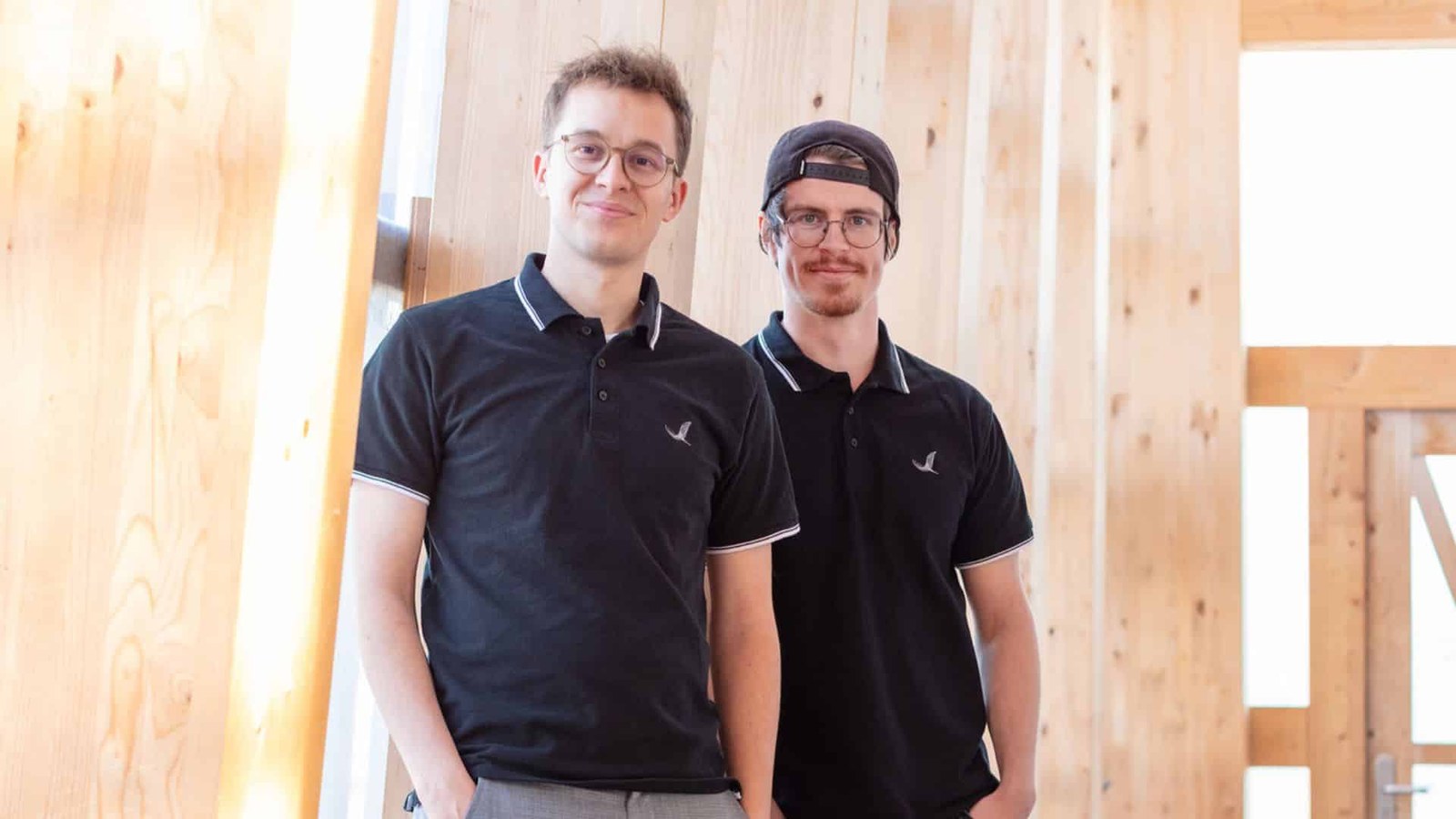
**Deployments so far** 🌍 Founded in 2024 by EPFL graduate Olivier Stähli and ETH Zurich computer science alumnus Noah Schmid, the company reports more than 60 projects in 17 countries on six continents, over 1,500 species detected and more than 8 million calls logged. It lists two Fortune Global 500 companies among its clients, alongside public authorities and conservation groups working in infrastructure, protected areas and agriculture. It says several hundred units of the fourth-generation microphone have been pre-ordered.
**Where the money goes** 🔧 Production is to move to industrial scale with Swiss manufacturing partners, targeting unit costs cut by more than half. Further funds go into acoustic foundation models for wider species coverage and accuracy, into both software products, and into business development and science teams. The longer aim is a global network of microphones across farms, forests, fisheries and conservation sites. Future models are meant to move from relative detection counts to estimates of absolute population size, so that is not something the system offers today.
📉 For context, the report cites WWF's 2024 Living Planet Report, which found that monitored wildlife populations have fallen by an average of 73 percent since 1970. Anaïs Ventures chief Julien Firmenich says reliable biodiversity data barely exists at scale today.