🗳️ France's 2027 presidential race: campaigns compete over what ChatGPT and Claude tell voters
In brief
- 🗳️ The teams of Philippe, Attal, Retailleau and Mélenchon track how chatbots present their candidates and adapt.
- 📊 In the March municipal elections one voter in six used AI to make up their mind, a Terra Nova study found.
- 🤖 Methods: AI-readable websites, detailed programmes with figures, corrections on often-cited sites.
- ⚖️ A barometer of seven AI services puts Philippe, Le Pen and Mélenchon in front.
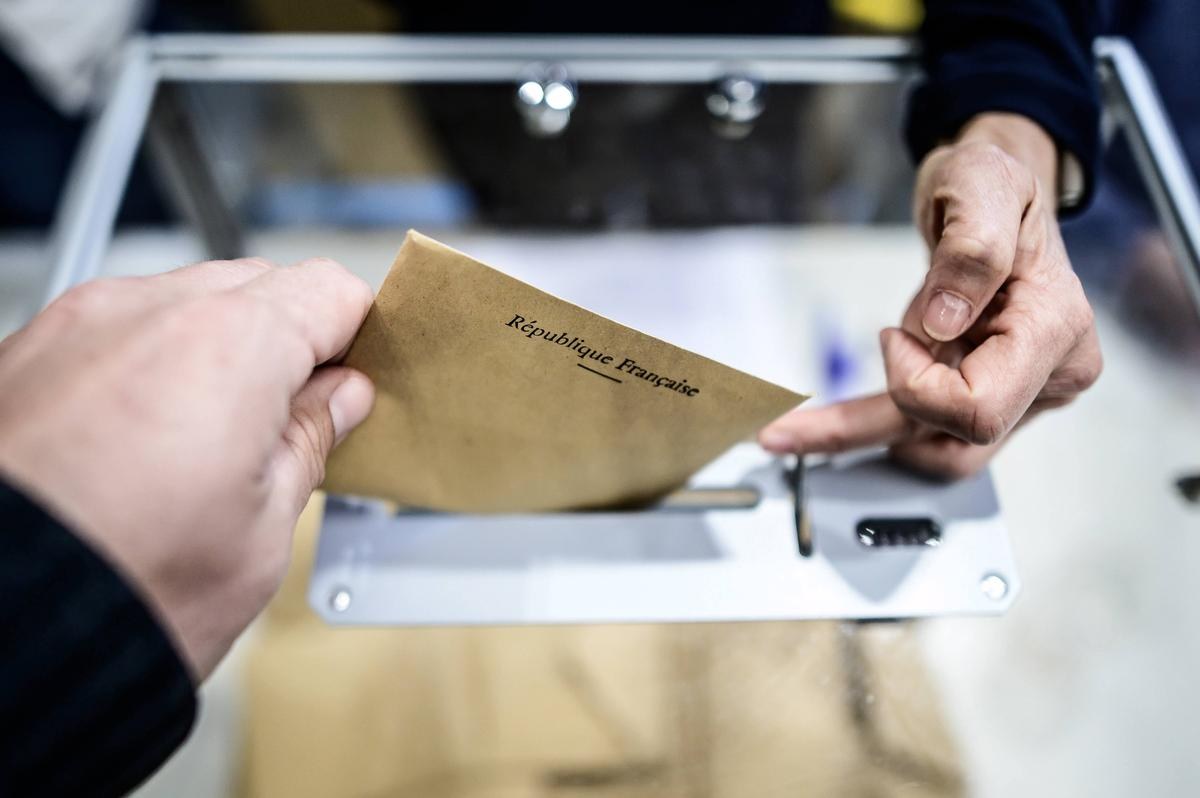
The race for the Élysée in 2027 has a new campaign front: the answers of AI models such as ChatGPT and Claude. That is the finding of a report by the news agency AFP, published by the newspaper Sud Ouest on 28 November. Almost every candidate team it contacted says it monitors how chatbots present its candidate. Jean-Luc Mélenchon's team calls the issue „important“, Bruno Retailleau's „unavoidable“ and Gabriel Attal's „completely indispensable“. 🗳️ The background: in France's municipal elections in March, 16 percent of voters used an AI tool to settle their vote, according to a study by the think tank Terra Nova. Polls suggest a similar share plans to do so in 2027. The teams rely on methods that resemble search engine optimisation: campaign websites that AI systems can read easily, detailed programmes with plenty of figures, and checks on the sources the chatbots cite. The starting line is uneven, because the models favour well-known names. 🤖
📊 How voters use AI. The Terra Nova study rests on a survey by Toluna Harris Interactive of 4,145 voters in towns of 3,500 inhabitants or more, taken on the day of the first round, 15 March. 7 percent said AI confirmed a choice they had already made, 5 percent changed their mind and 4 percent only decided with its help. Among 18 to 24 year olds the share was 35 percent, among people over 75 it was 1 percent; men turned to AI twice as often as women. Study author Jean-Daniel Lévy still sees this as a minority, but warns that in a presidential election an influence on just 5 percent of voters could have strong political consequences.
⚖️ Who leads in the chatbots. In September the agencies Angie and Meteoria put 70 election questions a day for a month to seven AI services widely used in France, among them ChatGPT, Gemini, Claude, Copilot and Perplexity, and analysed almost 15,000 answers. Asked about the favourites, the services named Édouard Philippe in every answer, Marine Le Pen in 99 and Mélenchon in 95 percent; Attal reached 84, Retailleau 54 and Raphaël Glucksmann 52 percent. The services differ widely: Glucksmann appeared in every favourites answer from ChatGPT but in only 6 percent from Perplexity. Almost half of the cited sources were media, only 5 percent the sites of parties and candidates. The barometer measures how often candidates are named, not whom the French intend to vote for.
🛠️ What the teams change. Édouard Philippe's camp unveiled a new version of its website in November that is „really designed for discoverability“, says communications director Hanna Sebbah; that includes removing hard-to-read PDF files. Retailleau's team uses a tool from the agency JIN to test every week what the most used AIs say about him. Victor Cohen, who handles the issue for Attal, says an AI needs „something very thorough“ with many figures and less emotion, and that this changes how the team writes. Retailleau's spokesman Jean-Baptiste Doat notes that his candidate is rendered well on housing, a topic he held a press conference on, and much less on health. That creates pressure to publish proposals earlier than before.
🔍 Obscure sources, unhappy parties. Some teams were surprised to find that little-known sites listing the candidates' programmes are cited very often. They check the content and ask for corrections when it is wrong. La France insoumise is unhappy: the party believes that media coverage it sees as unfair is passed on by the AIs. That is hard to counter, said MP Antoine Léaument, short of buying the newspapers, which the party does not plan to do.
🧠 A researcher's view. Political psychologist Antoine Marie of the research centre Cevipof sees the models as anchored „rather centre-left“ but without a partisan mission. Despite their flaws he considers them useful for voters overall, because their summaries are more reliable and better structured than those of most people.