📱 ByteDance tests 'Xiaodou', an AI assistant that acts on its own, for up to 5,088 yuan a year
In brief
- 📱 ByteDance launched 'Xiaodou' on 24 November, a standalone assistant from the Doubao family that follows up on tasks by itself; access by invitation only.
- ☎️ It calls restaurants, hotels and shops on request and, once allowed, uses Douyin, Feishu, calendar, health and location data.
- 💴 Three paid plans from 68 to 500 yuan a month; invite codes were resold.
- 🔐 First tests show flaws and broad permissions.
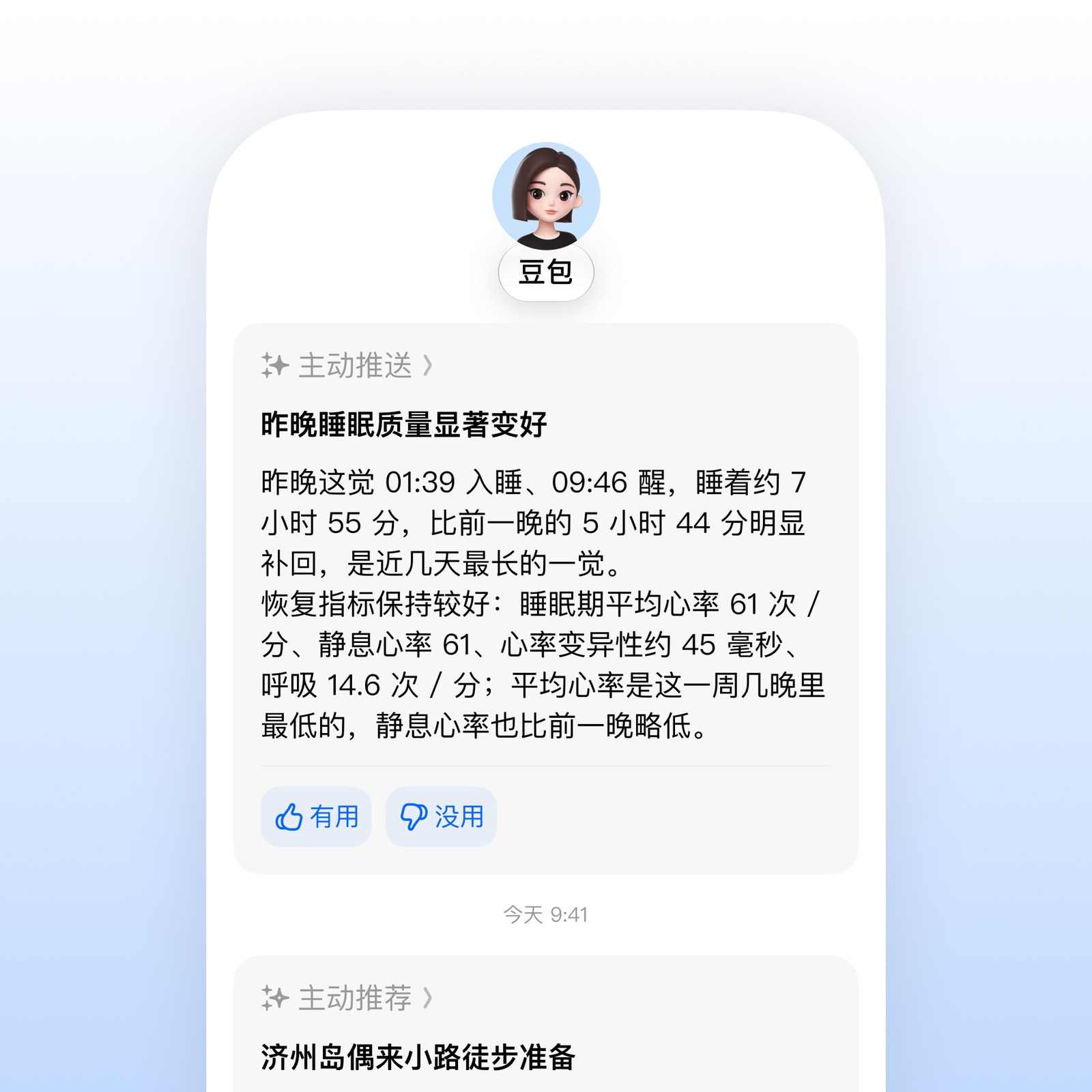
📱 ByteDance began a public test of 'Xiaodou' on 24 November, a standalone app of its chatbot Doubao. According to the market researcher QuestMobile, Doubao had 419 million monthly active users in September. Xiaodou is meant to be not a chat window but an assistant that keeps track of things on its own: it reminds, follows prices and orders, breaks goals into daily steps and calls restaurants, hotels or shops for the user. For that it asks for access to Douyin, the office suite Feishu, calendar, health data, location and contacts, and it shares its memory with the Doubao account. Access is by invite code only, and the codes were traded on second-hand platforms after the launch. 💴 Without a subscription the assistant stays locked, according to the App Store: the plans cost 68, 200 or 500 yuan a month, up to 5,088 yuan (about 700 US dollars) a year. Invited users get a trial with credits. Competitors are responding: Alibaba opened free calls for its assistant Qwen Go one day later. First tests, reviewed by an author on the product platform Woshipm, also show the weaknesses: stale reminders, price errors, calls hung up on and privacy terms worth reading closely.
🧩 What the app does differently. Xiaodou has no list of separate chats but one single, continuous conversation thread, and a push-to-talk button takes the place of the keyboard. There are four areas: the conversation, suggestions ('what you might want'), ongoing tasks ('we follow up') and a page about the user where the assistant collects preferences and habits. The App Store page lists six abilities: information, schedules and reminders, everyday services such as parcel tracking, shopping and returns, health reminders and office work. According to NetEase, the app has been in Apple's App Store since 23 November, version 15.7.0. ByteDance introduced it on its Weibo account as 'a Doubao that understands you and gets things done for you on its own'. Its abilities are to come to the main Doubao app step by step later.
🐈 The maker's examples. On the [product page](https://www.doubao.com/xiaodou/) and in the demos, Xiaodou picks a restaurant from the user's Douyin favourites, turns Feishu documents into a pre-meeting list and reminds the user when to leave. One example described by the newspaper The Paper: the assistant remembers when a bag of cat food was opened, estimates when it will run out, asks whether to reorder and schedules the next reminder. So far it searches for purchases only in Douyin's shop. The user decides which apps are connected.
☎️ Calls made by the AI. The feature that drew most attention is Xiaodou making phone calls itself, for example to book a table for four and ask about prices or parking. According to Doubao, it covers only restaurants, hotels, shops and similar services, no private numbers and no calls abroad. The Woshipm author Freetrip lists further limits found by testers: calls only between 9 am and 10 pm, user confirmation before each call, at most three calls per batch and six per matter. At the start the voice announces that this is an AI call from Doubao and that it is being recorded. In one test he describes, a restaurant hung up straight after that announcement.
💴 What it costs. The prices are in the App Store: besides the free plan there are Standard (68 yuan a month, 688 a year), Enhanced (200 and 2,048) and Premium (500 and 5,088 yuan). According to the Woshipm analysis, only a paid plan includes the personal assistant; the plans bring 9,000, 24,000 or 60,000 credits a month, shared between Doubao and Xiaodou. Invited users get a 30-day trial with 7,200 credits, and each new invitation earns 2,400 credits. In one test, five extensive tasks used only 12 credits; what costs most are calls and image or video generation. Because each user can pass on only one code, codes were offered on second-hand platforms for 1 yuan to over 100 yuan, The Paper reports, while others swapped them for free in groups with hundreds of members.
🔐 What users should know. The author read the terms of use and the privacy policy and names three points. Whoever signs in with a company Feishu account has their input counted as the organisation's data, meaning the employer's. Data sharing for model improvement and personalised recommendations are switched on by default. And for security checks the app collects the list of installed apps and running processes. On top come permissions for text messages, call log, contacts, calendar, precise location and health data. For websites without an interface Xiaodou starts a browser in the cloud, reads the pages through screenshots and can store login cookies.
🧪 First experiences. The test reports the analysis reviews describe an assistant that impresses and gets in the way at the same time. After being connected to Feishu, it told one tester unprompted about missing images in a project that had long been finished. With several tasks at once, finished results landed in the middle of the ongoing conversation. A price alert for a 188-yuan sunscreen was set with a target price of 32.58 yuan. Such errors are not unusual in an early test, but they show how much trust an assistant that acts on its own needs.
🏁 The race of the tech groups. Xiaodou follows Meta's agent Muse, launched on 8 September. In China, ByteDance is the first big company with a public test of a dedicated app. Alibaba builds 'Qwen Go' into its Qwen app and opened free AI calls to everyone one day after Xiaodou's launch. Tencent is testing the assistant 'Xiaowei' directly inside WeChat and reported more than 30 million daily users in its quarterly report. There is scepticism too: in October the investor Zhu Xiaohu of GSR Ventures asked whether people even have a secretary, saying most do not need one. Whether users keep Xiaodou will likely show around 24 December, when the trial of the first testers ends.