🎓 AI-proof assessment could leave disabled students behind, Daniel Morgan argues
In brief
- 🎓 Daniel Morgan sees a risk for disabled students in tighter AI rules for assessment.
- 🧠 For some, AI helps organise their own ideas without doing the thinking.
- ⚖️ Universities must consider adjustments in advance, Morgan says.
- 🔍 The proposal: the work, the learning process and, where real doubt remains, an accessible check.
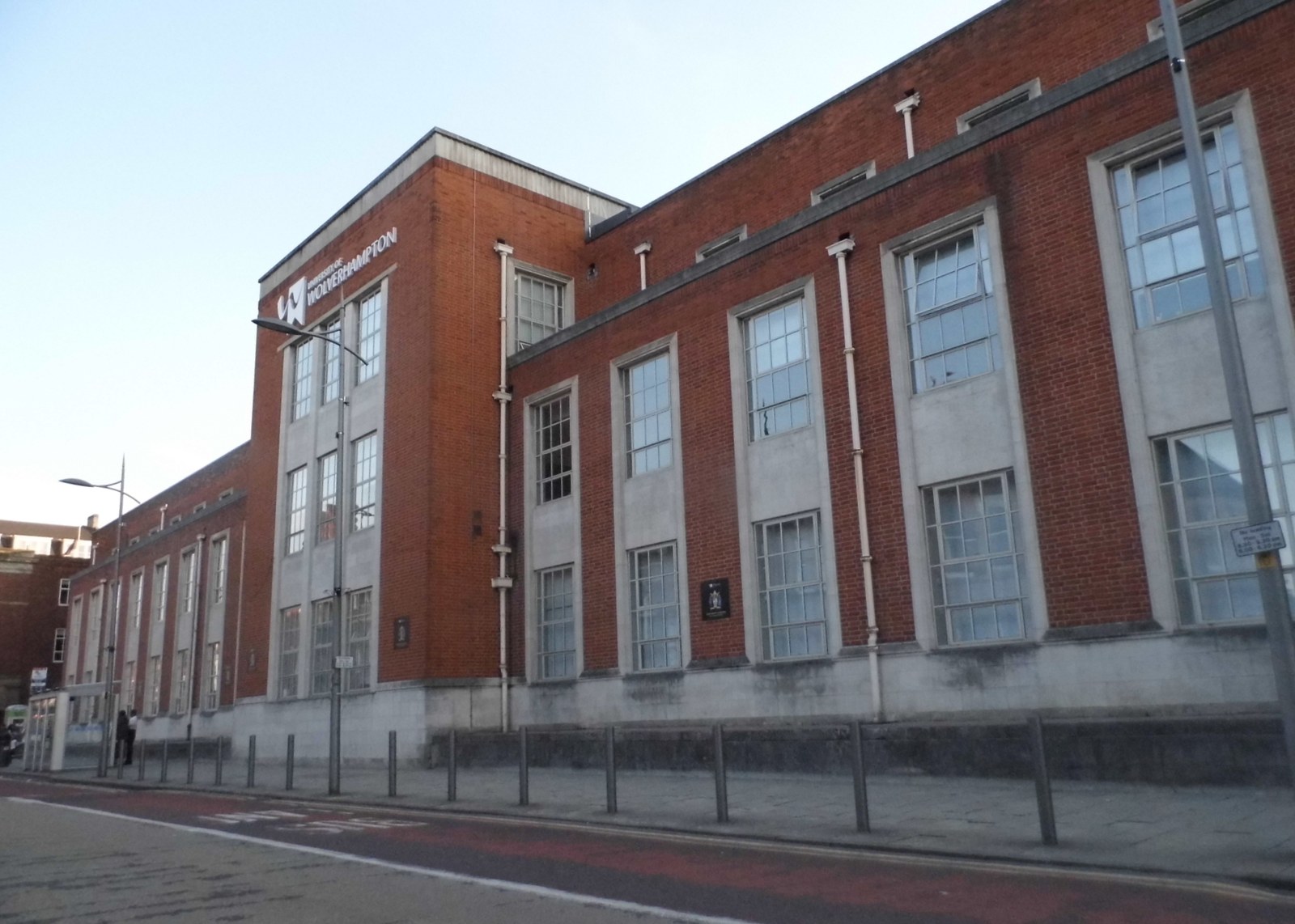
🎓 Daniel Morgan, a socio-legal researcher and law student at the University of Wolverhampton, argues in an opinion piece against assessment policy built mainly around restricting technology. The core claim: for many disabled students, the tools now treated as threats are part of how they learn. At least one in five UK domestic students report a disability, Morgan notes. ⚖️ Rather than asking whether AI was involved, universities should ask how they know learning has taken place. If they cannot tell support from substitution, Morgan warns, disabled students risk becoming collateral damage in a well-intentioned effort to protect academic integrity.
📊 **The backdrop.** Morgan cites the 2026 student survey of the Higher Education Policy Institute (HEPI): 95 per cent of students use some form of generative AI and 94 per cent use it for assessed work. Many universities have answered with tighter rules and fresh interest in invigilated and oral exams.
🧠 **Support or substitute.** For some students, AI is a kind of thinking partner for talking through ideas, asking the seemingly obvious question without embarrassment or sorting tangled notes. In Disability & Society, Morgan has argued that it can be a reasonable adjustment for neurodivergent students in appropriate circumstances. The author calls this mediated authorship: thinking, judgement and argument stay with the student, while the tool helps turn them into writing. A dyslexic student or one with ADHD who knows the material and uses AI to structure it is doing something very different from having a chatbot write the essay.
🔒 **Why blunt rules struggle.** Bans and detection tools can hardly tell the two apart. Since even Microsoft Word includes generative features, a blanket ban could cut off legitimate support. HEPI also recorded a particular anxiety about false cheating accusations, which Morgan says could lead disabled students to drop support they are entitled to.
⚖️ **The legal argument.** Under the Equality Act 2010, the duty to make reasonable adjustments is anticipatory in education: it applies before a new rule arrives. Genuine competence standards are exempt, the method of assessing them is not. Morgan points to University of Bristol v Abrahart, brought after the death of physics student Natasha Abrahart. Bristol treated its oral assessments as a competence standard; the County Court disagreed, and the High Court upheld that finding in 2024. A rapid swing back to closed-book exams and oral defences risks repeating the mistake. Some formats do matter, the piece concedes, such as clinical skills or live performance.
🧩 **The alternative.** Morgan mentions the University of Sydney's two-lane model of secure and AI-open assessments, but warns that secure lanes can recreate barriers. The proposed framework has three parts: the submitted product, the learning process across a module, such as low-stakes quizzes, seminar activities and responses to feedback, and a proportionate check of understanding only where real doubt remains. Someone overwhelmed by oral questioning might use a live text-based exchange or a structured reflection with agreed assistive software. This does not mean three compulsory assessments or constant surveillance.
📅 **Three asks.** The regulator, the Office for Students, is working towards publishing its expectations on disability in early 2027. Morgan wants providers expected to assess the effect of any AI restriction or security change on disabled students before introducing it. Programme specifications should separate each competence standard from the assessment method. And institutional AI guidance should state that assistive use agreed in a student's support arrangements is legitimate, with an accessible route to another form of assurance.