⚛️ Taiwan votes on bringing back nuclear power as AI chipmaking drives up electricity demand
In brief
- 🗳️ Taiwan votes on Saturday, alongside local elections, on whether to scrap its 'nuclear-free homeland' policy.
- ⚡ Power demand from chipmaking and AI is soaring; TSMC could use almost a quarter of the island's electricity by 2030.
- 🛡️ Taiwan imports more than 97% of its energy and holds only about 11 days of liquefied natural gas.
- 📊 A yes only counts if yes votes beat no votes and reach a quarter of all eligible voters.
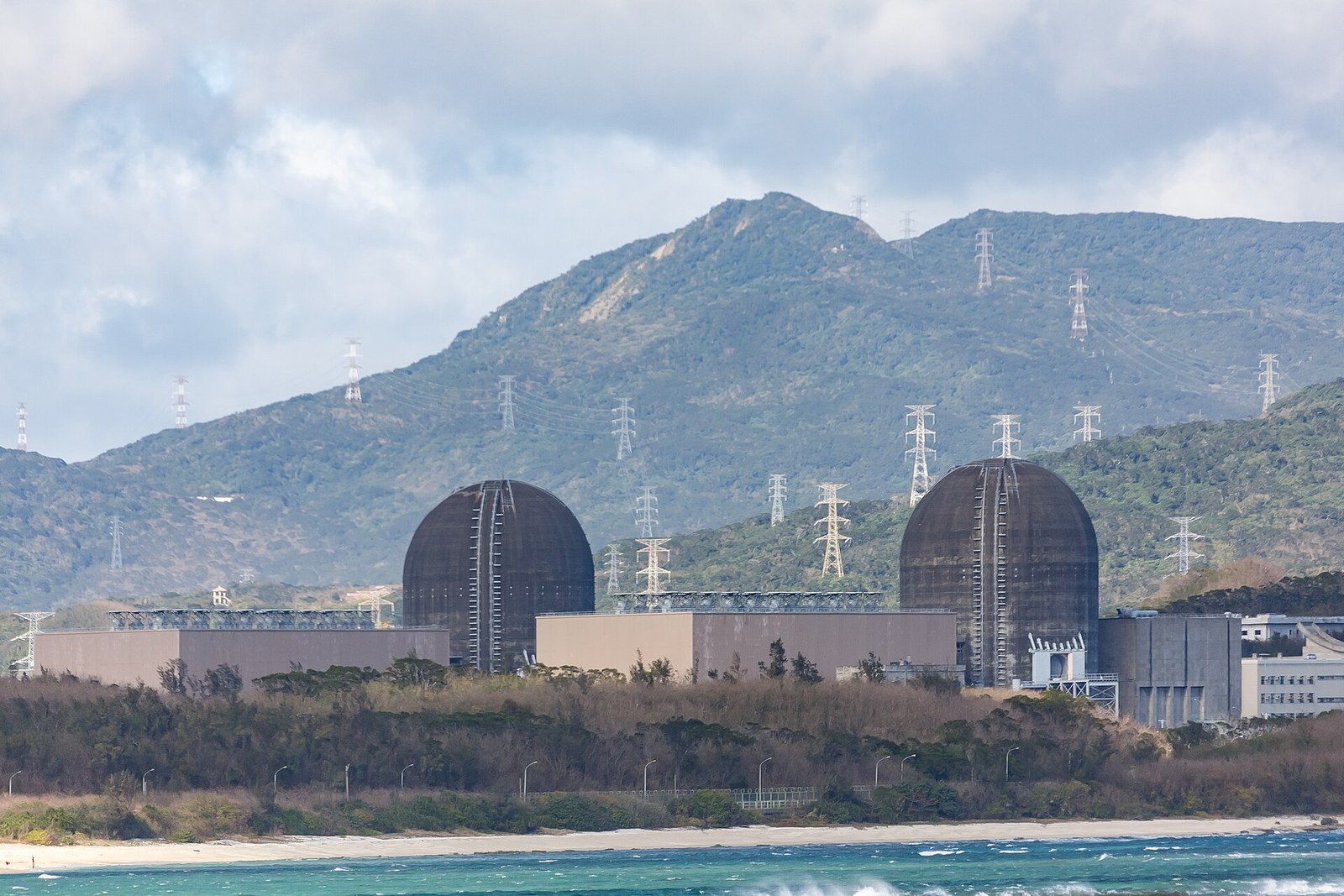
🗳️ About 20 million eligible voters in Taiwan decide on Saturday in a referendum whether the government should abandon its 'nuclear-free homeland' policy and return to nuclear power to support the economy. The vote is held together with nationwide local elections; polls opened at 8 a.m. local time, and the referendum result is expected on Saturday evening, according to the CNA news agency slightly later than the election results. ⚡ For the AI industry this is more than domestic politics. Taiwan makes more than 90 percent of the world's most advanced semiconductors, nearly all at TSMC, including Nvidia's AI processors. In September the chip industry used more than 4.5 billion kilowatt-hours in a single month for the first time. At the same time the island imports more than 97 percent of its energy, mostly gas and coal by ship. Its last reactor was shut down in May 2025. 📊 The bar is high: yes votes must outnumber no votes and make up at least a quarter of all eligible voters, roughly five million. That threshold sank a vote on restarting the Maanshan plant in August 2025 despite a large yes majority. The opposition KMT proposed the referendum, the TPP backs it and the ruling DPP is urging a no. A yes would not restart any reactor automatically.
🏭 Why the chip plants are at the centre. Taiwan's semiconductor industry is the key node of the global AI supply chain. According to Al Jazeera, TSMC holds more than 60 percent of the global contract chipmaking market and builds Nvidia's Blackwell and Rubin processors; Taiwanese firms such as Foxconn and Quanta assemble most of the world's AI servers. The industry's power use in September was 11.55 percent above a year earlier, driven by AI demand. S&P Global estimates that TSMC alone used about 8 percent of the island's electricity in 2023 and that the share could rise to almost 24 percent by 2030.
🛢️ The vulnerability. Natural gas generates about 43 percent of the electricity and coal about 35 percent, according to the Ministry of Economic Affairs. Both arrive by ship. The LNG reserve covers about 11 days; Japan and South Korea hold 14 to 20 days. The war with Iran this year disrupted shipments from the Middle East. Political scientist Lev Nachman of National Taiwan University says two things are at stake: energy security in a possible Chinese blockade and the growing needs of the chip industry. For many people in Taiwan, he says, security comes before semiconductors.
🔄 The government has already moved. In March, President William Lai Ching-te said the government would begin the process of restarting the Maanshan and Kuosheng plants, citing AI-driven demand and supply disruptions from conflicts abroad. On September 24 the Nuclear Safety Commission approved state utility Taipower's restart plan for Maanshan; further safety assessments are still needed. Nachman expects Lai and the DPP would be 'largely okay' with a yes. DPP legislator Chen Pei-yu calls the referendum unnecessary because lawmakers could change the policy by amending existing laws.
📜 A long history. In 1985 Taiwan's three plants supplied 52 percent of its electricity. Nuclear power then became a partisan issue: environmentalists were among the DPP's founders, while the nuclear industry was built under the KMT. After Fukushima in 2011 fears grew; active fault lines cross the island and nuclear waste disposal remains unresolved. In the three earlier votes, Taiwanese scrapped the legal phase-out deadline in 2018, rejected resuming construction of a fourth plant in 2021, and in August 2025 saw a yes to Maanshan voided by low turnout.
⏳ What comes next. Nachman doubts the referendum will pass; it depends on whether DPP supporters have changed their minds. The restart is under way either way. Supporters say reactors could run again within 18 months to three years; opponents expect five to ten years and costs of several hundred billion New Taiwan dollars. Even with nuclear power, Nachman says, LNG remains Taiwan's first choice to fill the gap.