⚖️ Malaysia's AI law: incident reports to decide when chatbots talking to children need crisis protocols
In brief
- ⚖️ Malaysia's planned AI law would make firms report incidents; the government wants to use them to decide where chatbot safeguards are needed.
- 🧒 High-risk AI categories could face mandatory crisis protocols, for example when a child's conversation turns to self-harm.
- 📞 Cases would go to existing hotlines: Heal 15555 and Talian Kasih 15999.
- 📅 The bill is due in parliament early next year; no penalties are known yet.
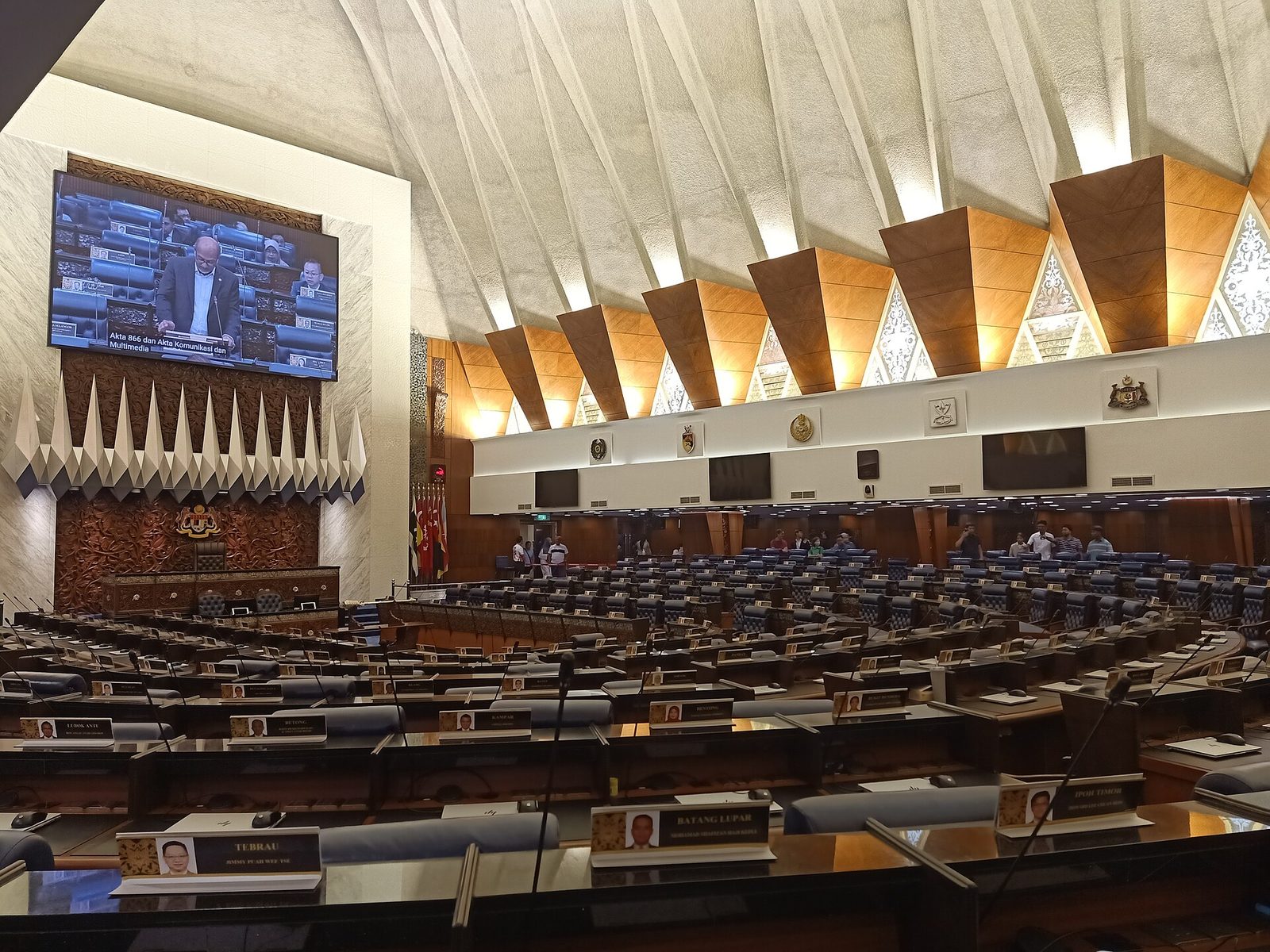
⚖️ Malaysia wants to oblige AI providers by law to report incidents and to use those reports to decide when chatbots talking to children must follow fixed crisis protocols. Digital Minister Gobind Singh Deo said so in parliament, the Dewan Rakyat, on November 24, according to state news agency Bernama as reported by IntelliNews. 🧒 He was answering MP Mohd Kurniawan Naim Moktar, who asked about children becoming emotionally dependent on AI companions and whether developers would be legally bound to act when a conversation turns to self-harm, suicide or exploitation. Gobind said reported incidents would be analysed so that safeguards could be targeted, up to mandatory crisis protocols for high-risk categories of AI. Duties of developers and deployers would follow their role and how much control they have over a system. 📞 The government does not plan new services for this: mental health crises would still go through the Health Ministry's Heal 15555 hotline, social protection cases through the Women, Family and Community Development Ministry's Talian Kasih 15999. Still open are how the duty would be enforced, how quickly an incident must be reported and what a breach would cost. The bill is expected in parliament early next year.
🏛️ **The framework behind the announcement.** The outline of the law comes from a consultation paper the National AI Office released on July 10, summarised by the law firm Baker McKenzie, IntelliNews reports. It sorts AI systems into three tiers: systems built or used with the intent to cause harm are banned; high-risk systems that can cause harm without meaning to carry heavier duties such as risk assessment, human oversight and monitoring; everything else gets baseline obligations. A new Central AI Authority would run the risk framework, build the reporting system and investigate incidents. Developers and deployers that control a system would file the reports, covering near misses as well as actual harm. The summary sets out no penalties.
📅 **The timetable.** On October 5 Gobind told question time that high-risk AI needs stricter rules because of its "direct impact on safety, fundamental rights and the well-being of individuals", The Star reported. Controls would depend on a system's potential harm rather than its industry, and the bill would complement existing laws. For more powerful, autonomous systems, testing, monitoring and human oversight must be strengthened before their use is expanded, he said. A day later Malaysiakini reported a written reply from the minister: chatbots for children are to be safe by design, with mandatory impact risk assessments and content filters, and users are to be told when they are talking to a machine.
🔓 **The doubts.** Malaysiakini asked at the time whether such guardrails can hold technically. As a local example it cited an AI chatbot about Prime Minister Anwar Ibrahim made by the firm Zetrix AI, which users manipulated into saying things it was not meant to say; it was taken offline after two days. Language models do not always answer the same question the same way and can be tricked with so-called jailbreaks. IntelliNews calls the use of existing hotlines the sensible part of the plan, because a chatbot cannot send a clinician to a distressed teenager, only a number. Whether the law works, it argues, depends on reporting deadlines, oversight and sanctions that make owning up cheaper than hiding.
📊 **The public mood.** The government would have support for tough rules: in the Ipsos Education Monitor 2026, 83 percent of Malaysian adults backed banning children under 14 from social media, up from 72 percent a year earlier; among 31 countries only Indonesia, at 90 percent, was higher, against an average of 73 percent. In a study by Family First, a Varkey Foundation initiative, 77 percent of Malaysian parents backed a ban for under-16s, the highest of 15 countries. The government has already acted: since June 1 it has enforced a ban on social media accounts for under-16s under the Online Safety Act 2025, and in January it temporarily blocked the Grok chatbot over harmful content. Chatbots are harder to regulate than feeds, because every reply is generated on the spot and no moderator sees it first.