📚 AI detector flags bestselling crime author Jørn Lier Horst, sparking Norway's debate on AI in novels
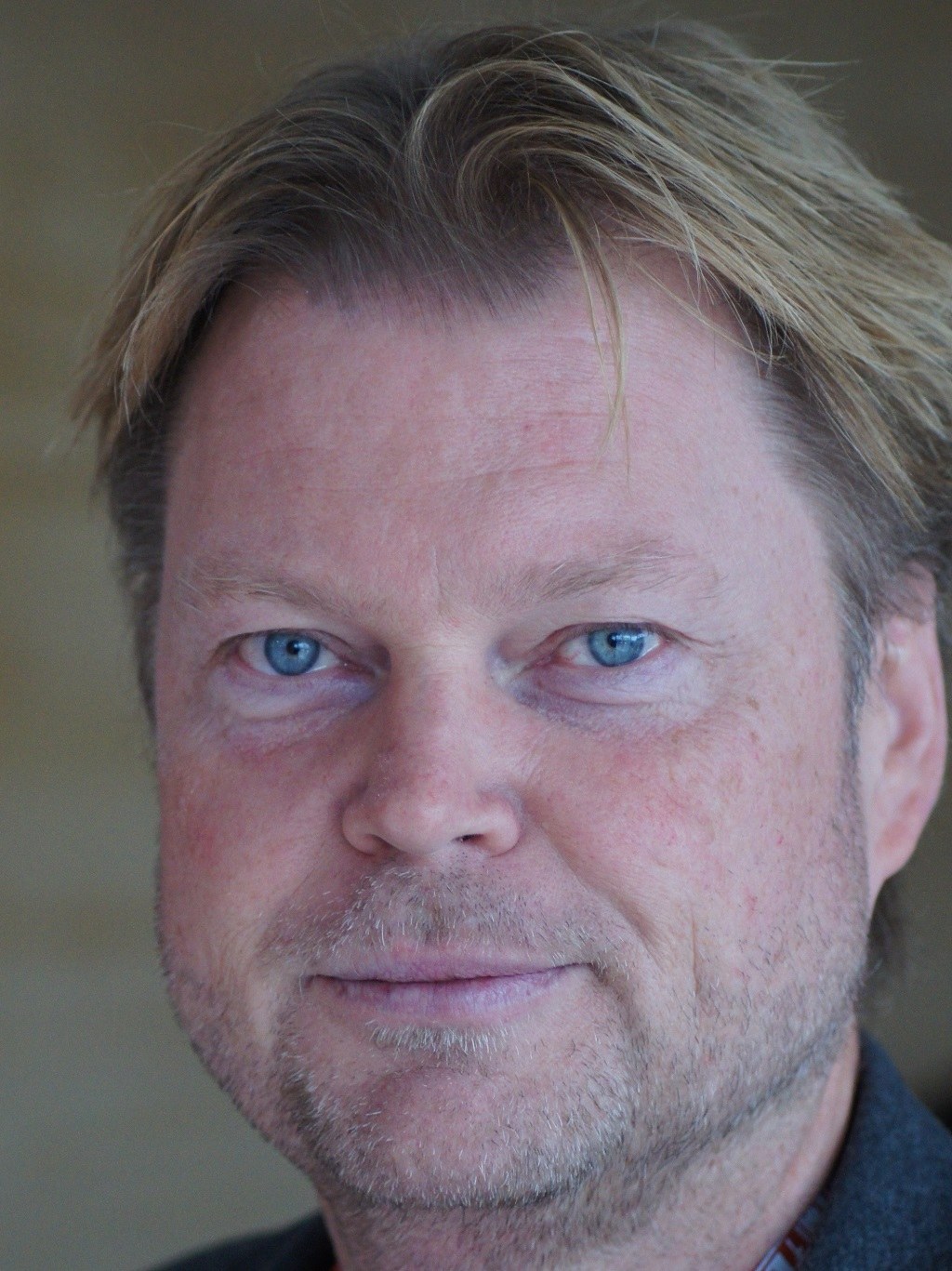
In brief
- 📚 An AI detector flagged 72.5 percent of Jørn Lier Horst's crime novel Den siste saken as AI text.
- 🔎 Newspaper Aftenposten tested last year's ten best-selling novels; six Horst books were flagged.
- ✍️ Horst confirms using ChatGPT for research and wording but says he writes the books himself.
- ⚖️ From 2027 Norway's Arts Council will not buy books made wholly or partly by AI.
📚 One of Norway's best-selling crime writers is at the centre of a row over artificial intelligence in literature. In early November the newspaper Aftenposten ran the previous year's ten best-selling adult novels through the AI detector Skrivera. Six books by Jørn Lier Horst, author of the Wisting series, were flagged; in his 2025 crime novel Den siste saken, 72.5 percent of the text was marked as typical of AI, NRK reported. ✍️ Horst admits using ChatGPT as a tool: for research, ideas and smoothing individual sentences. But the stories, characters and plot are his own work, he wrote in a reply in Aftenposten, and AI detectors cannot serve as sole proof. Colleagues such as Anne Holt criticise him, and a columnist called it Norwegian fiction's first big AI exposure. The debate has since reached Denmark, where the newspaper Politiken covered it on November 27. From 2027 Norway's Arts Council will no longer support books made wholly or partly by AI.
🔎 **What the detector measures.** Per Kristian Bjørkeng, technology journalist at Aftenposten who worked on the test, told NRK that when a machine writes more than about 150 words in a row, it leaves a "fingerprint" that is "shockingly clear". Horst counters that a statistical analysis cannot tell what he actually used AI for. In his reply he reports that he ran the text of his own op-ed through Skrivera afterwards: it, too, was flagged at 72 percent.
✍️ **How Horst says he works.** About half of Den siste saken is set in South Africa. For that he asked ChatGPT about landscape, vegetation, climate, building styles, police work and everyday details, then picked information and expressions that he worked into scenes he wrote himself. He also uses the program as a kind of dictaphone for ideas and for help when a sentence stumbles or a word is missing. He says he never leaves the final wording to the AI and sees no basic difference from an editor's suggestion. He calls it "hysteria" if authors must in future run their texts through detectors before submitting them.
🗣️ **The other side.** Author and critic Hilde Østby said on NRK's Dagsnytt 18 that even using AI as a tool breaks the "reader's contract" and undermines trust in the profession. Every word of her books, she said, is weighed by her and her editor in a human way. If the industry does not take a clear stand, it is "playing roulette with the authorities' goodwill"; Norway's book market enjoys Arts Council purchasing schemes and an exemption from VAT.
🏢 **The publisher.** Alexander Even Henriksen, head of Bonnier, which publishes Den siste saken, distinguishes between text written with the help of AI and text written by AI. The industry is "immature" in facing this technology and is working on more detailed guidelines, he said. He does not rule out labelling the tools used, but considers banning AI for authors unrealistic.
⚖️ **The new rules.** The Arts Council has announced guidelines that apply from 2027: books produced wholly or partly by AI can neither be purchased nor subsidised. According to Horst, proofreading, synonym search, grammar help, research, idea development and AI as a conversation partner remain explicitly allowed; the line is drawn at "AI-generated rewrites". Where exactly that line runs is the heart of the dispute. In the summer, publisher Cappelen Damm had already pulled a book by Niels Røine from shops after NRK found AI text in it, and the Norwegian non-fiction writers' association is calling for AI labels on books.