⚕️ South Korea bans ads with AI-generated fake doctors from today
In brief
- ⚖️ Since 27 November, South Korea bans ads in which AI-generated doctors, pharmacists or professors recommend food, drugs or cosmetics.
- ⏸️ Food firms face a 15-day business suspension for a first offence and two months for a third; for drugs and cosmetics, ads and sales of the product are stopped.
- 🗣️ President Lee Jae-myung announced the ban himself on X.
- 🩺 Medical devices follow on 10 December.
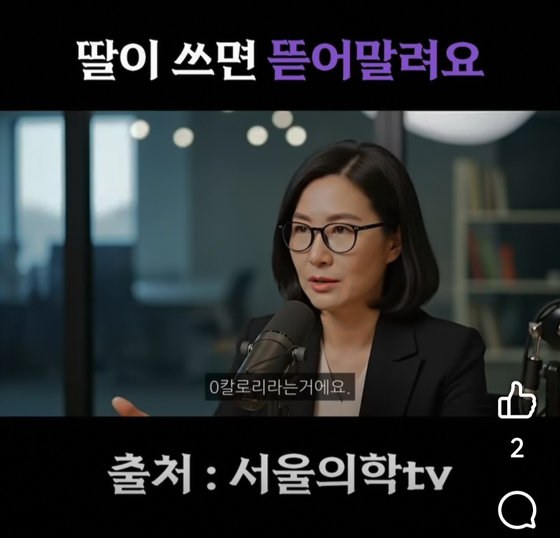
⚕️ South Korea has banned advertising in which AI-generated doctors and other experts recommend products. President Lee Jae-myung announced the ban on 27 November in a post on X titled "AI fake doctor ads are banned from today", the newspaper Dong-A Ilbo reports. Anyone who uses invented doctors to sell food, drugs, cosmetics or medical devices faces tough sanctions up to a temporary business suspension, he wrote, adding that the calculation that a violation still pays even when caught no longer works. ⚖️ The legal basis is amended versions of the Food Labeling and Advertising Act, the Pharmaceutical Affairs Act and the Cosmetics Act, which took effect the same day according to the Ministry of Food and Drug Safety (MFDS); the amended Medical Devices Act follows on 10 December. Food and health-supplement businesses lose their licence to operate for 15 days on a first offence, one month on a second and two months on a third. For drugs, quasi-drugs and cosmetics, advertising and sales of the product concerned are suspended. The background is a wave of videos on social media and shopping sites in which AI figures in white coats promote supplements and creams.
🧾 **What exactly is banned.** According to the trade paper Dailypharm, the rule targets ads in which an image, video or voice made with an AI system, hard to tell apart from a real person, suggests that a doctor, dentist, Korean-medicine doctor, veterinarian, pharmacist or university professor vouches for, recommends or uses a product. The definition of an AI system comes from South Korea's AI Basic Act. The underlying Law No. 21707 was passed by the National Assembly on 23 April and promulgated on 26 May, with 27 November as its start date.
⚖️ **Real experts treated the same.** Alongside the AI ban, the ministry raised the penalties for ads in which real doctors, pharmacists or professors vouch for a product's effects. They now match the level for AI figures, so that companies cannot simply switch to real faces. The only exception is a factual statement that an expert actually took part in the product's research or development. Food transport businesses get milder steps: a seven-day, 15-day and one-month suspension.
🔍 **The case that showed the problem.** In June the MFDS referred an online retailer to prosecutors. According to the news agency Newsis, the company used an AI-generated middle-aged doctor on YouTube and in its own shop to market ordinary foods made with vitamin C and yeast as anti-ageing products. From September 2025 to May 2026 it sold about 650,000 units for a total of 8.1 billion won, the agency said. The videos had already been removed by the platforms in November 2025 at the ministry's request. At the time the regulator could only rely on the general ban on expert endorsements, which was written with real people in mind.
🏛️ **A plan from last year.** The government presented a response plan against false and exaggerated AI advertising in December 2025; the laws now in force are its follow-up. The ministry says it will keep pursuing such ads through online monitoring, administrative inspections and criminal investigations. In Dong-A Ilbo's reading, Lee's message aims to end a business model that builds trust with doctors who do not exist. The amended laws target the advertisers; they do not set new duties for the platforms on which such videos mostly run. 📱