IndiaMART and OpenAI settle dispute over visibility in ChatGPT ⚖️
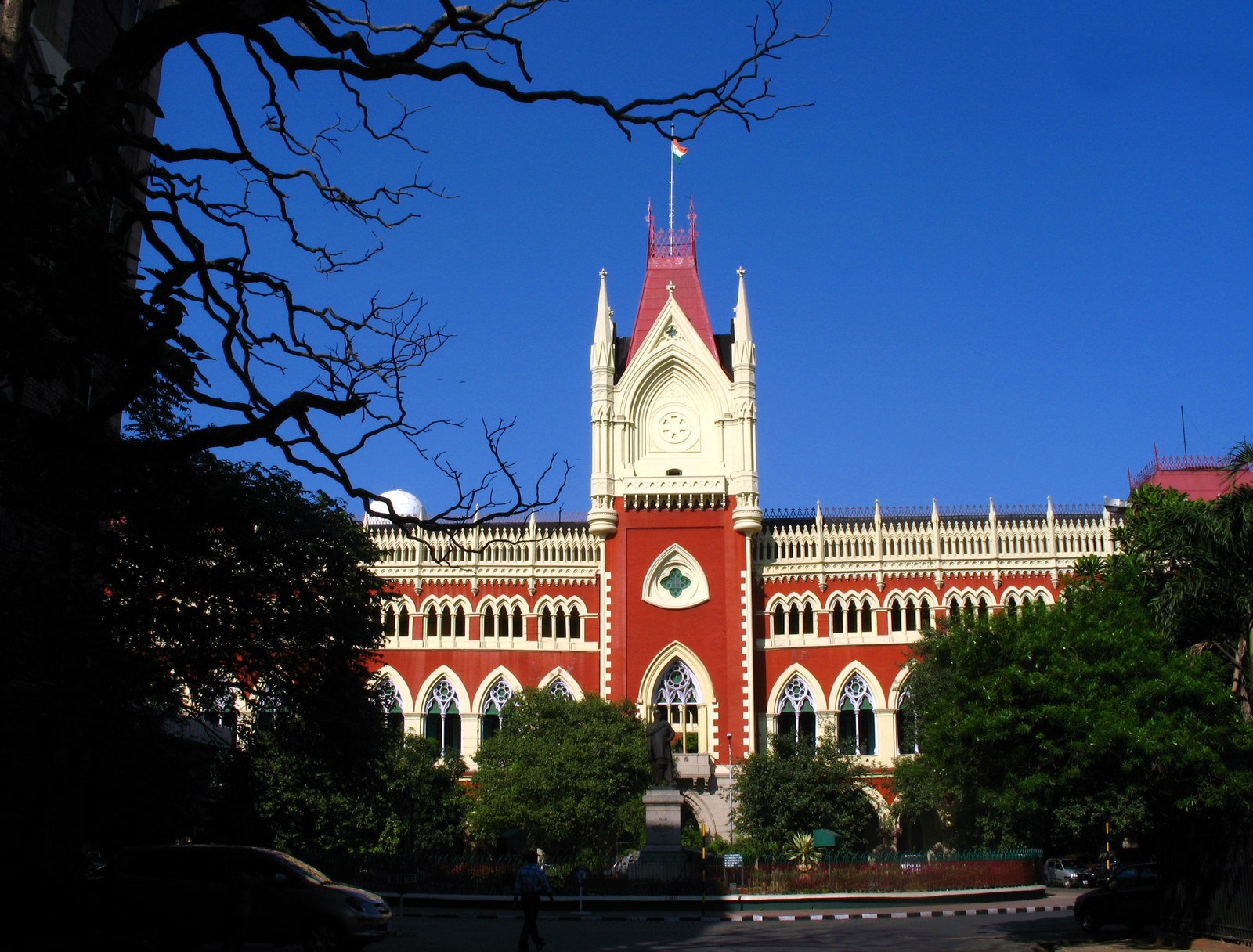
In brief
- ⚖️ IndiaMART and OpenAI have settled their dispute out of court, MediaNama reports.
- 📅 The Calcutta High Court dismissed the appeal on November 17 after IndiaMART chose not to pursue it.
- 🔒 The order does not disclose the settlement terms.
- 🔎 In May, the court had refused to order OpenAI, as interim relief, to show IndiaMART links.
⚖️ Indian B2B marketplace [IndiaMART](https://www.indiamart.com) and [OpenAI](https://openai.com) have settled out of court their dispute over ChatGPT allegedly leaving IndiaMART out of its answers, MediaNama reports. A division bench of the Calcutta High Court dismissed IndiaMART's appeal on November 17, after the parties reported the settlement and the company no longer wished to pursue the case. 🔒 The order does not say what the two sides agreed. IndiaMART had appealed a May 20 ruling in which a single judge refused to require OpenAI, on an interim basis, to include the marketplace's links in ChatGPT responses. The case touched on a question that matters to many online businesses: can a company go to court to be visible in AI answers?
🧩 **The complaint.** IndiaMART alleged that ChatGPT selectively excluded its website and seller listings while continuing to surface competing marketplaces. According to the company, the service bypassed IndiaMART and linked straight to individual suppliers' websites, affecting discovery for its 8.3 million registered suppliers and 42 million buyers.
📋 Another point of contention was the 2024 Notorious Markets List of the US Trade Representative (USTR), which names marketplaces said to facilitate intellectual property violations. IndiaMART argued that OpenAI relied on that listing without its own assessment, notice or a hearing, and that the report had no binding legal force in India, citing a clarification from the Ministry of Consumer Affairs. It also noted that DHGate, Pinduoduo, Shopee and Taobao appeared on ChatGPT although they were on the list too.
🛡️ OpenAI replied that IndiaMART had no right under contract, statute or the Constitution to demand visibility on ChatGPT.
⚖️ **The May ruling.** Justice Ravi Krishan Kapur found that IndiaMART had not established a prima facie case and that the balance of convenience did not favour relief. That was a turnaround: in December 2025, the same judge had observed that IndiaMART had a strong prima facie case of selective discrimination and had been excluded without any logic. In May, he held that no third party can compel a service provider to use its service so that it shows that party's link or works for its benefit. The court treated OpenAI's reliance on the US list as an internal business policy that was not open to judicial scrutiny.
🔍 It also rejected claims of trademark dilution and disparagement. The relevant section of the Trade Marks Act requires use of a mark in the course of trade, and leaving out links did not meet that threshold. Silence by itself, the judge wrote, cannot constitute a cause of action; omitting a link differs from making a false statement about a brand.
🤖 **The open legal question.** IndiaMART wanted ChatGPT classed as an intermediary under India's Information Technology Act, which would bring specific obligations. Kapur instead distinguished search engines, which crawl and rank existing content, from large language models, which synthesise new responses. His preliminary view was that ChatGPT could be closer to an originator of content than to an intermediary. Settling that, he said, would take a fuller trial with technical and expert evidence.
📌 The court had also noted that IndiaMART itself had earlier blocked ChatGPT from crawling its website. It further declined interim relief because granting it would effectively have handed the company its final remedy before a full trial. The report does not say whether IndiaMART will now appear in ChatGPT again.