🕶️ Austria bans AI smart glasses from all schools after a Vienna case
In brief
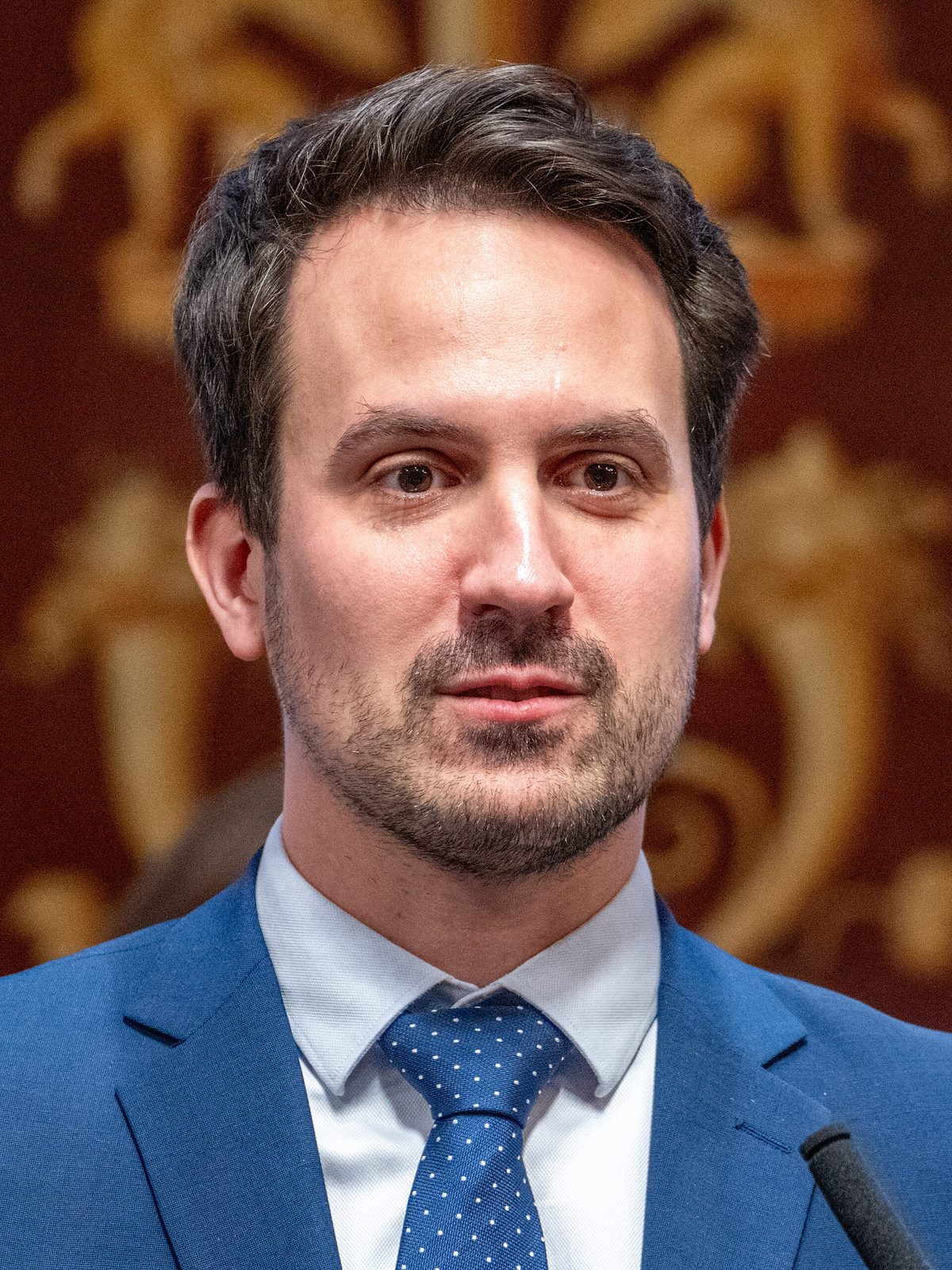
- 🏫 Education minister Christoph Wiederkehr (NEOS) is ordering a nationwide ban on smart glasses at all Austrian schools from the 2027 summer semester.
- 🎥 It covers pupils and teachers and also comparable body-worn recording devices; medical eyewear and assistive devices stay allowed.
- ⚖️ The trigger: a court overturned the expulsion of a Vienna pupil who wore Meta glasses despite a school ban, because no recording could be proven.
🕶️ Austria's education minister Christoph Wiederkehr (NEOS) is drawing a firm line on AI glasses: from the 2027 summer semester, smart glasses and comparable body-worn recording devices are to be banned at every school in the country, at all grade levels and for teachers as well as pupils. The Kronen Zeitung reports the decision. "Smart glasses have no place in our schools," Wiederkehr is quoted as saying; nobody should have to fear being filmed or listened to without noticing. Medical eyewear and assistive devices needed because of a disability are exempt. ⚖️ The move follows a case at a Vienna secondary school. A pupil there kept wearing glasses with a camera, microphone and AI assistant despite a ban in the school rules. The education authority expelled him, but the Federal Administrative Court overturned the expulsion: it could not be proven that he had actually filmed anyone, and the mere possibility was not enough. With a nationwide ban, schools will no longer have to prove that a recording was made.
📜 How the ban is meant to work. Wiederkehr does not plan a new law through parliament but a decree based on the 2024 school regulations, the same route as Austria's nationwide phone ban that has applied up to eighth grade since May 2025. He justifies the step with privacy: school must be a protected place where children, teenagers and teachers feel safe, the minister said according to the Krone; smart glasses make secret recordings possible and are therefore a serious intrusion. In parallel he is examining whether schools may make multi-day events such as ski courses or project weeks entirely phone-free.
🏫 The case that set it off. According to ORF, the pupil had worn the Meta glasses in class since December 2025. Classmates and teachers felt watched; some even skipped giving presentations for fear of being recorded. The Krone reports that the teenager had taped over the glasses' indicator light, which signals a recording. The school added a ban to its house rules; between March and June the pupil was suspended four times, and in June the Vienna education authority expelled him at the school's request.
⚖️ What the court said. The father went to the Federal Administrative Court. It let the pupil return to class provisionally in July and overturned the expulsion for good on 3 August. The classmates' unease was "quite understandable", the ruling says according to ORF, but no concrete, serious misconduct such as proven recordings could be established. That is exactly the schools' problem: whether such glasses are filming can hardly be shown without the wearer's cooperation. The education authority filed an extraordinary appeal with the Supreme Administrative Court. In October Wiederkehr had said he would first wait for that outcome; the nationwide ban now goes a step further.
🌍 The wider picture. In October, state secretary for digitalisation Alexander Pröll proposed a broader tiered model for AI glasses: a ban in sensitive areas, wearing but no filming in museums, cinemas and theatres, and recordings in public spaces only with a visible signal. Pressure is growing abroad too: in the Netherlands, consumer and digital rights groups want a court to stop sales of Meta's glasses because they enable secret recordings, the Krone reports; a ruling is due by 24 December at the latest.
🔍 What is still open. The ministry has not yet published the text of the decree. It is therefore unclear how schools are supposed to enforce the ban, what happens after a breach and where exactly the line for "comparable recording devices" runs, for example camera pins or smartwatches.