🛡️ Bundeswehr tests Helsing and Stark loitering munitions and AI targeting software in Lithuania
In brief
- 🛡️ At the Rūdninkai range on November 22 the German army tested loitering munitions from Helsing and Stark Defence that identified, selected and struck targets.
- 🧠 Earlier in the exercise it tested Helsing's AI system Clarity, which analyses sensor data to help commanders decide.
- 📍 Part of exercises with 6,000+ troops until Dec 3; results and success rates were not disclosed.
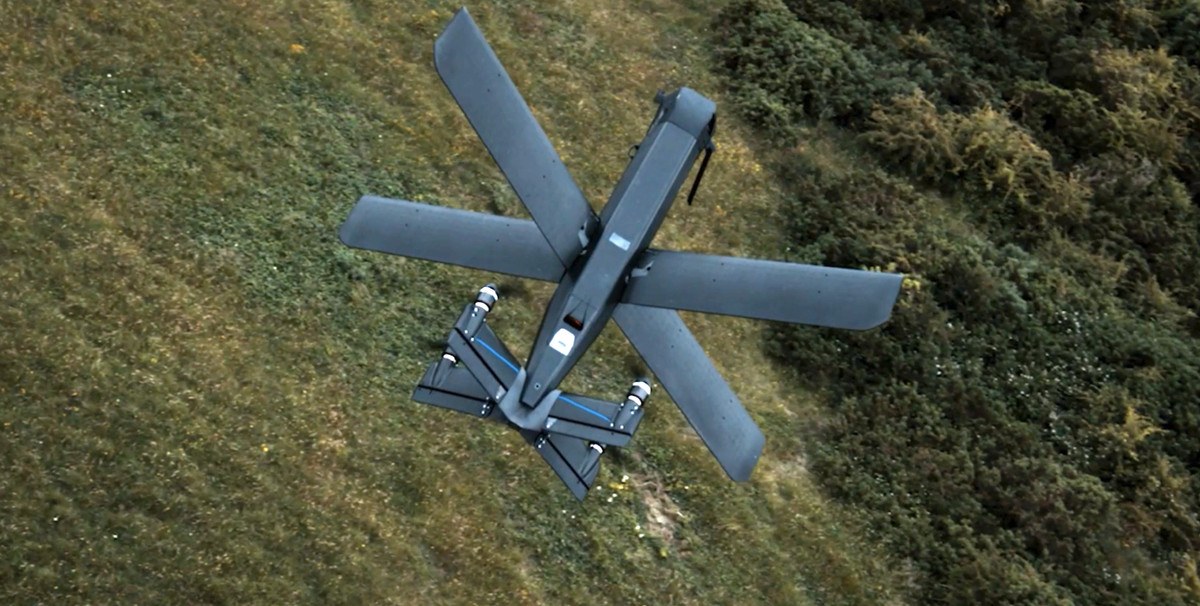
🛡️ The German armed forces tested two new loitering munitions, often called kamikaze drones, and AI-assisted targeting technology in Lithuania, Kyiv Post reports, citing Reuters. The field trials on Sunday, November 22, at the Rūdninkai range near the Belarus border, were part of the German-led exercises Freedom Shield 26 and Grand Eagle 26, which run from November 6 to December 3 with more than 6,000 troops. Munitions from Helsing and Stark Defence identified, selected and struck targets; a military spokesperson said both systems passed but gave no numbers on drones, warheads or success rates. Earlier, the army tested Helsing's Clarity system, an AI that collects and analyses sensor data from satellites and drones to help commanders decide quickly. Lt. Gen. Christian Freuding, who commands the army, called both types of systems indispensable on the modern battlefield. 📰 Details beyond the army's statement come from the company and the report.
**The systems.** The loitering munitions are Helsing's HX-2 and Stark's Virtus. They are disposable drones that hover over an area before diving at high speed at a target and exploding on impact, a type widely used by both Russia and Ukraine. The Lithuanian trials followed confirmatory tests at the Bundeswehr's Meppen weapons testing ground that verified accuracy and warhead performance of both systems. Reuters, as cited by Kyiv Post, says the armed weapons identified, selected and struck targets; the report does not say how many drones were used, how effective the warheads are against armour, or how often they hit.
**The software.** Helsing's Clarity, tested earlier at the same range, is described by the company as built on an AI programme that collects and analyses large amounts of data from numerous sensors, including satellites and drones. It is meant to allow, and sometimes prompt, commanders to make faster decisions from a fuller tactical and strategic picture. The report says "AI-assisted" targeting; it does not describe how much of the decision remains with humans.
**The setting.** The exercises involve Germany's 10th Panzer Division together with units from the Netherlands, Norway, Czechia, Croatia, Belgium and Luxembourg, supported by Lithuanian units, all within the Lithuania-based NATO Multinational Battle Group. Freuding, who previously managed German arms deliveries to Ukraine and will become chief of the defence staff, watched the Sunday test.
**The context.** In 2023 Defence Minister Boris Pistorius committed to stationing a combat brigade permanently in Lithuania, the first such step by Berlin. It will be based in Rūdninkai and Rukla, reach full operational capacity by the end of 2027 and comprise about 5,000 troops and 2,000 pieces of equipment. Kyiv Post writes that, based on these tests, it will be equipped with kamikaze drones, a decision taken only in 2025 after years of debate. Commentators quoted by the paper read the choice of Lithuania as a sign of Berlin's lead role in defending NATO's eastern border.