👓 South Korea: lawmakers file bills against secret filming with AI glasses
In brief
- ⚖️ Lawmakers of South Korea's ruling Democratic Party have filed two bills against secret filming with AI glasses.
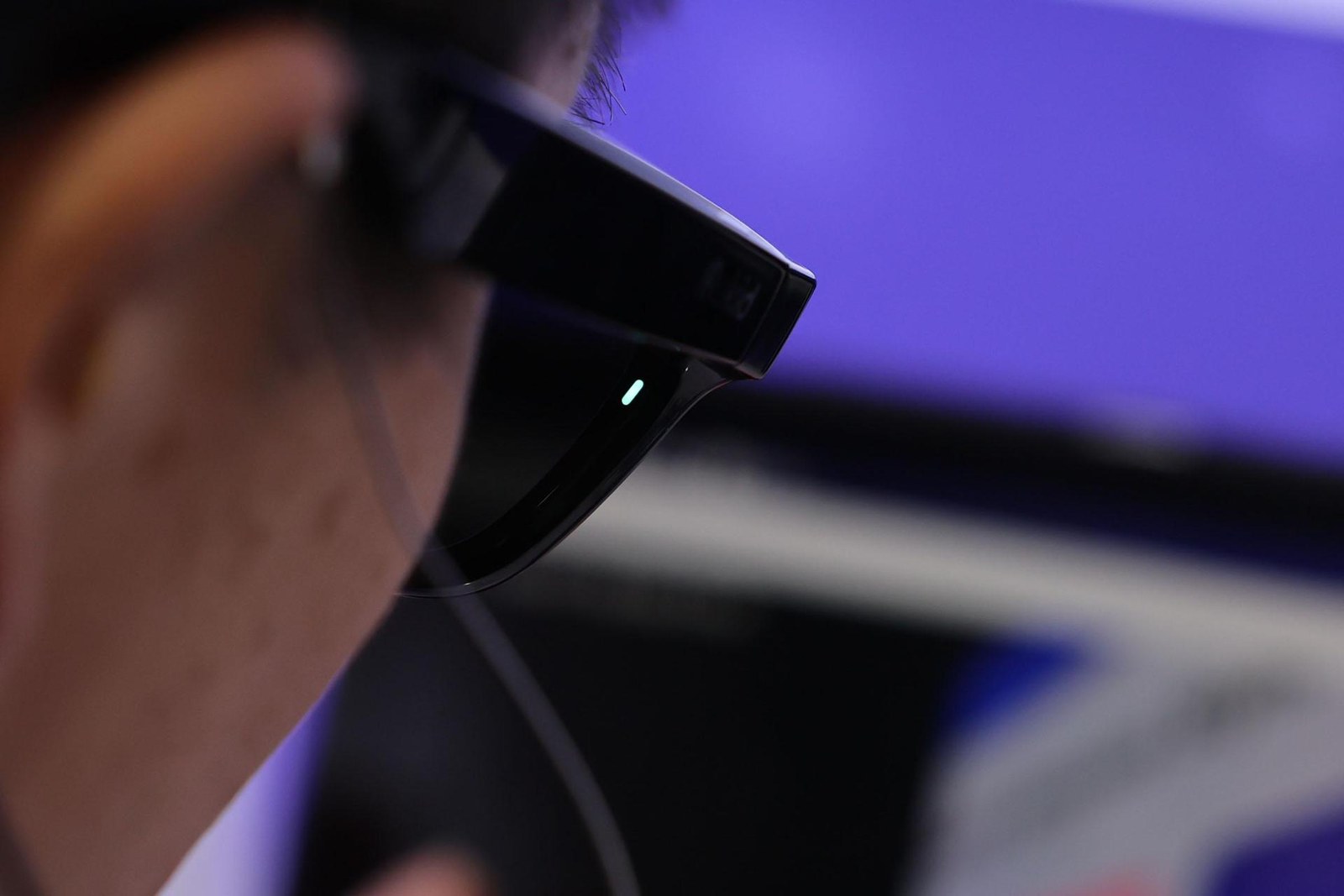
- 🔴 Makers and importers would have to build in an easily visible recording indicator that cannot be disabled.
- 🙋 The second bill also requires people who film to signal that they are recording.
- 💶 Fines would reach 30 million won. Nothing has been passed yet.
👓 Lawmakers of South Korea's ruling Democratic Party want to stop people from being filmed with AI glasses without noticing. According to The Korea Times, Rep. Lee Ju-hee and 18 party colleagues introduced a package of two bills this week. 🔴 One requires makers and importers of wearable cameras to fit a recording indicator that bystanders can easily recognize and that cannot be disabled later. The other puts a duty on users: anyone filming with such a device would have to signal it. ⚖️ The bills have been introduced but are not law.
📜 **The gap the sponsors describe.** In their account, current rules only take effect once footage is distributed. The requirements of the Personal Information Protection Act also apply only to operators filming for business purposes, not to private individuals who wear such a device. And no provisions at all cover how these devices are designed or manufactured.
The lawmakers point to the fast spread of wearables that leave people nearby unsure whether they are being filmed. Privacy violations such as illegal filming, and also cheating on exams, are becoming a reality, they say. 🎓 Even a built-in indicator is not reliably effective, because items and programs that cover or switch it off are in circulation.
🔧 **What the amendment would require.** The change to the Information and Communications Network Act calls for technical measures that keep the indicator from being deactivated afterwards. Making, importing and selling items or software designed to do that would be banned. Sellers would have to inform buyers of the relevant details.
💶 Violations would carry administrative fines within the Act's existing limits: up to 30 million won (about $22,300, according to the newspaper) for manufacturers, importers and sellers of anti-indicator tools, and up to 10 million won for sellers who fail to inform buyers.
"People should know right away that they are being filmed, and be able to say no if they do not want to be," Lee said, adding that privacy standards should apply from the filming stage so that nobody later finds smart-glasses footage of themselves online.
📷 **What manufacturers do.** Major vendors such as [Meta](https://www.meta.com/) already give their glasses a light that shows when they record. Some cheaper products reportedly lack it, or make it hard to tell from outside whether the camera is on. [Samsung](https://www.samsung.com/), whose own glasses are expected on December 10, says its design includes an indicator: an LED on one side blinks during recording, and the camera does not work when the glasses are not being worn. A company official told the newspaper that Samsung had thought hard about such concerns, noting that AI glasses had already caused controversy in New York State.