👓 Dutch groups ask Amsterdam court to halt sales of Meta's AI camera glasses, ruling due by December 24
In brief
- ⚖️ Consumer and digital rights groups including Consumentenbond and Offlimits asked the Amsterdam District Court to stop sales of Meta's AI camera glasses.
- 🎥 They argue the glasses let wearers film people secretly, breaching EU privacy rules, and that footage must not be used to train AI.
- 💶 They seek penalties of €100,000 per day and case, capped at €100 million.
- 🛡️ Meta rejects the claims; a decision is due by December 24 at the latest.
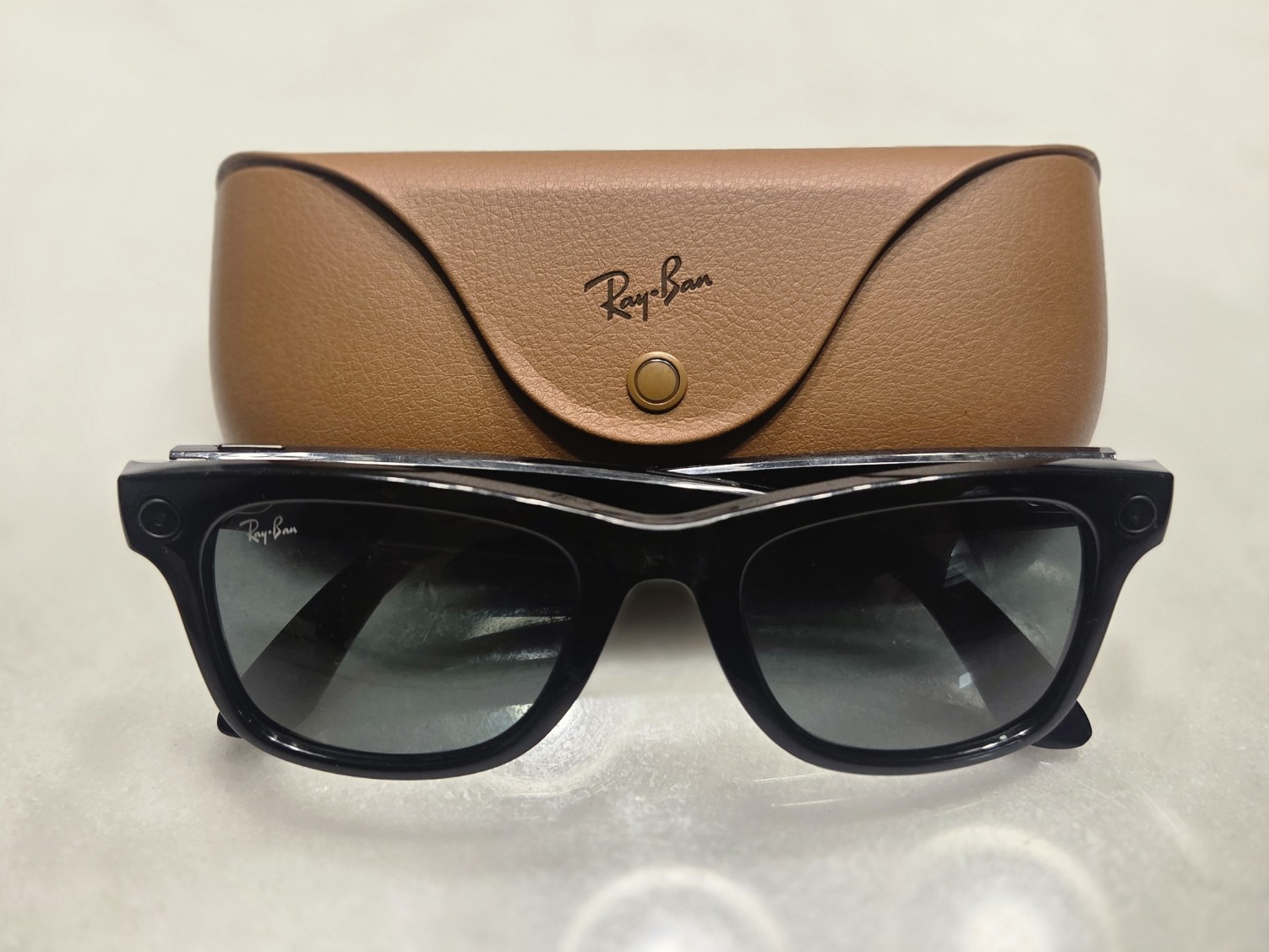
⚖️ Summary proceedings against Meta opened at the Amsterdam District Court on Thursday: Dutch consumer and digital rights groups want the company's AI camera glasses, developed with EssilorLuxottica, taken off sale in the Netherlands until Meta changes them. The plaintiffs include the country's largest consumer association, [Consumentenbond](https://www.consumentenbond.nl/), and Offlimits, an expertise centre on online abuse, the Austrian news agency APA reported. 🎥 The groups argue that wearers can film other people without their knowledge, in breach of European data protection rules. They want Meta to prevent such recordings and to stop using the collected data to train AI models. Until it does, sales should be suspended; for violations they are asking for penalties of €100,000 per day and per case, up to €100 million. Meta counters that the demands amount to a product recall and would hurt lawful users, and that a light on the frame shows when the glasses are recording. A sales stop would apply only in the Netherlands but could set an example. 📅 The court plans to rule by December 24 at the latest.
🗣️ **What was said in court.** In her opening statement, Offlimits lawyer Karlijn Han listed places where covert recordings are being made, according to APA: during exams, in changing rooms, swimming pools, hotel rooms and hospitals, on playgrounds and on beaches. Every intrusion into privacy is worse than the last, she said. Meta's lawyer Bastiaan Kemp asked the court to dismiss the case. Manufacturers cannot be held responsible for every single case of deliberate misuse, he argued, and rival models would not be covered by a sales stop. He also denied that Meta uses recordings made with the glasses in Europe for AI training.
📋 **What Consumentenbond is asking for.** The association announced the case in mid-October after Meta let a deadline to change the glasses pass. According to its [own announcement](https://www.consumentenbond.nl/nieuws/2026/consumentenbond-start-rechtszaak-tegen-meta-om-camerabril), Meta should change the glasses and their default settings so that they comply with privacy law, and end what the group calls the unlawful processing of data for AI. If the court agrees, Meta would have to make the changes within two weeks. Only if Meta says compliance is impossible should a sales ban apply. For blind and partially sighted people, whom AI glasses can help in daily life, the association explicitly proposes a medical exemption.
🔍 **Why the recordings are sensitive.** Consumentenbond argues that the footage can reveal a lot about the people filmed, such as political views, religion or health. Under European law such special categories of personal data may only be processed under strict conditions. Children are filmed too. The association says footage of hundreds of Dutch women and girls made with the glasses circulates on voyeur websites and Telegram channels; that is the plaintiffs' account, which the court now has to weigh. Offlimits chief executive Robert Hoving said in October that victims were already contacting his organisation's helpline.
📈 **How big the market is.** Meta and EssilorLuxottica sold more than seven million smart glasses last year, according to APA, giving them about 80 percent of the world market. A ban in a single country would barely dent sales, but it would be a precedent in the EU.
🌍 **Pressure from several sides.** The Dutch data protection authority, Autoriteit Persoonsgegevens, advised consumers this month not to buy the glasses, calling them unsafe for wearers and bystanders. The optician chain Hans Anders already stopped selling Meta Ray-Ban glasses in the Netherlands and Belgium in October. In Germany, the Federation of German Consumer Organisations (vzbv) announced legal action against Meta and Ray-Ban over alleged privacy violations on Tuesday, and in the United States Meta faces possible class actions over the alleged improper sharing of private images captured by the glasses. In several countries the use of such glasses is already restricted in certain places.
⏳ **What happens next.** These are summary proceedings (kort geding), not a full trial. The Amsterdam court's decision is expected by December 24 at the latest. If it goes the plaintiffs' way, Meta would have to choose between modifying the glasses for the Dutch market and stopping sales there.