✍️ Karl Ove Knausgård: books written with AI are not literature for him, and he fears for the Norwegian language
In brief
- ✍️ The Norwegian novelist says authors who use AI are free to do so, but for him it is "not literature".
- 🗣️ He fears for the language: machines produce an average and erase personality and the unique.
- 🖊️ He does not use AI for writing; it would be meaningless to him.
- 🔧 He finds it useful for small practical questions.
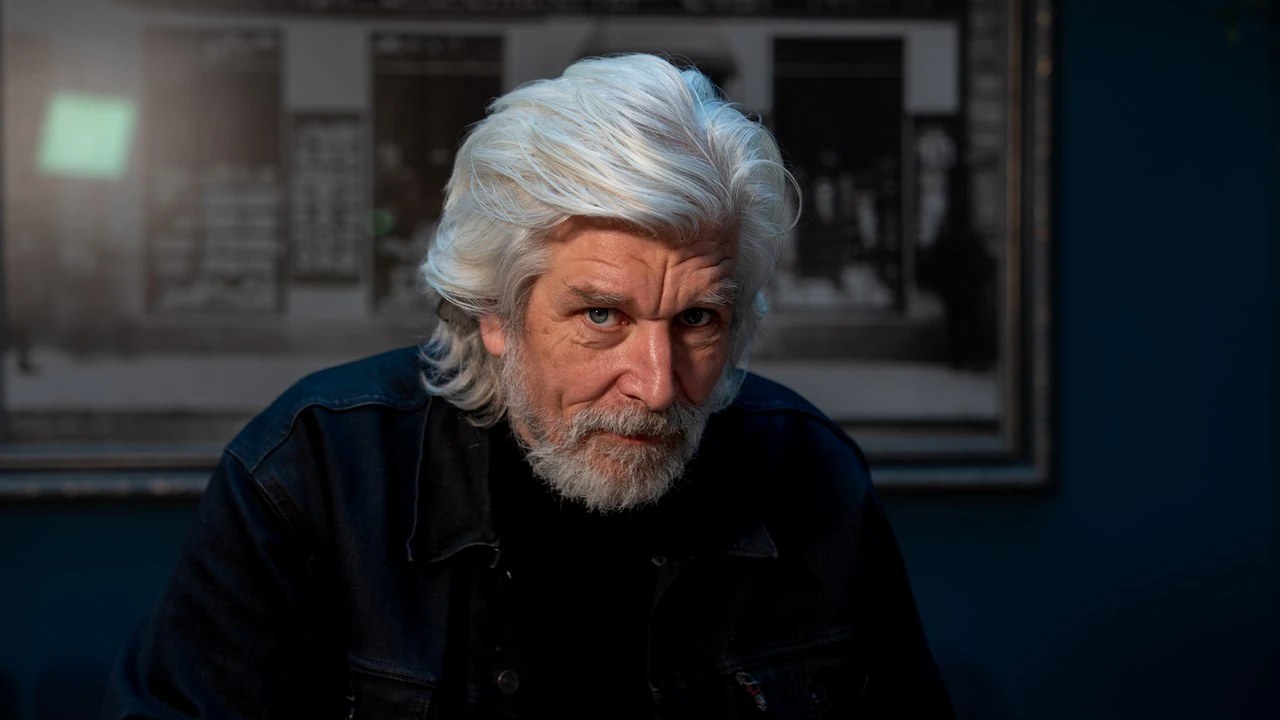
✍️ In an interview with Norwegian broadcaster NRK on 24 November 2026, the novelist Karl Ove Knausgård says that what authors write with the help of AI is, for him, not literature. He calls it the writers' own responsibility and says they can do as they like. But he fears for the Norwegian language, which depends on someone pushing at the edges and keeping it alive. If writing is handed to machines, he says, an average remains and all personality and uniqueness are erased. He does not use AI in his own work, because what happens in the person who writes is the point. He does find it useful for small practical questions, for instance what a part of a garage door is called. NRK spoke to him at a signing of his latest novel.
📍 NRK met Knausgård during a signing of the print run of his newest book, between book conversations and interviews. The interview comes after what NRK describes as revelations over the past year that several authors use artificial intelligence to write.
🧭 His objection goes beyond the single writer. "It is terrible," he says, and it concerns not only individuals but the whole culture: the machines are not alive, even though they seem so. Norwegian, he argues, needs to change all the time, and that requires people working at the margins who keep it alive. "If we give it to the machines, the ammunition disappears completely," he says; what exists there is a kind of average.
🖊️ On his own practice he is plain. He writes quickly and without correcting, and novels emerge in the end. Sometimes he reads over what he wrote the previous day, but AI is not allowed to touch the text. Using it would be meaningless, because the point is exactly what happens in the person writing and what comes out of it. What he values in a text is "the presence of someone who is human"; without it, he says, it is not worth anything.
🔧 His stance is not blanket hostility to the tool. He calls it incredibly useful for everyday questions and tells of asking an AI what a small part of a garage door is called; it answered with a small drawing of a garage and the name.
🎯 He ties this to his view of why one writes at all. Writing to meet other people's expectations, he says, makes you dead as an author, and you might as well order words from an AI and publish them. NRK also notes his long indifference to technology, mentioned earlier to the paper Klassekampen, and that even he feels digital distraction. The latest novel, "Underjordisk", closes his septology; since 2020 he has published one novel a year.